US (CA): Moraga's iconic pear orchards in danger
The problem with Moraga's orchards is a bacterial infection called fire blight, and it is increasingly a regional concern because other plants such as apple trees and roses are also succumbing to the disease. Leaves turn black, as if they'd been scorched by fire, and branches wrinkle and shrink.
Fire blight bacteria can be carried onto plants by rain, insects or animals. If left untreated, the infection eventually makes its way through the tree, killing it.
Kenny Murakami, owner of the Moraga Garden Center nursery, follows regional horticultural trends closely. He said fire blight is always present to some degree in the area, but it has been more prevalent throughout the entire region this year.
"This year is particularly bad," Murakami said. "The rainfall we got this year was during the blooming season, and the trees were weak and stressed to begin with because of the drought. The timing of rain was perfect for development of the disease. It's restricted to the rose family, but that family includes apples, pears, quinces and cherries, as well as a lot of popular ornamental plants."
Once fire blight has taken hold in a tree, the only way to eradicate it is through heavy pruning of the infected area. That is exactly what Bobbie Preston is organizing volunteers to do in a historic orchard in Moraga over the next few weekends.
"Each tree has 10 or 12 branches that need to be pruned out," said Preston, who lives next to the historic JM Pear Orchard and noticed earlier this year that the pear trees' leaves were turning black. "It requires a ton of vigilance and a ton of manpower."
The orchard, next to Joaquin Moraga Middle School, is owned by the Moraga school district. It's more than 100 years old and is the largest pear orchard remaining from the days when an early landowner, James Irvine, planted orchards on his Moraga Company Ranch. For many years, Moraga was a leading global exporter of Bartlett pears.
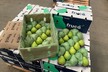
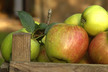
Most of those trees are gone, disappearing by the 1960s as the area transformed from rural outpost to suburb. But the JM Pear Orchard still has nearly 100 trees, and their fruit is harvested yearly ahead of the town's annual Pear and Wine Festival. Each year the Moraga Park Foundation, which helps organize the harvesting and the festival, also donates the pears to a local food bank.
"I would be really sad if we lost that orchard," Preston said. "And that has great potential of happening."
Preston is working with Moraga Parks Foundation, the city's recreation department and Urban Farmers, a local nonprofit that harvests backyard crops for the needy, to save the JM Pear Orchard. Preston hopes at least 50 people, and ideally twice that number, will register through Urban Farmers and assist with the pruning. The removed limbs will be hauled away from the site because the bacteria can live on -- and be spread -- by mulching the diseased branches.
The first pruning event at the JM Pear Orchard is planned for Oct. 25.
John Haffner, a former president of the Moraga Parks Foundation who helped resuscitate the Pear Festival several years ago, is heartened by the effort to save the JM Pear Orchard.
"Here's one more example of community activism trying to do something to resolve a problem without getting government very involved," he said. "If it's salvageable, it's absolutely important to keep part of that history alive."
Source: mercurynews.com