Hybrid witch finger grapes for curious consumers
The variety was developed by horticulturist Dr. David Cain, for Grapery co-owners Jim Beagle and Jack Pandol on their beautiful 1,000-acre operation. Beagle explains what went into the Witch Finger grape: “We were zeroing in on the unique shape from the beginning; there are several varieties of grapes native to the Southeastern United States that have a similar shape to the Witch Finger, but they tend to have large seeds and bitter skins. We’ve been able to make crosses with seedless parents with good flavours to combine the shapes with those desirable eating characteristics.” And while the exact lineage is a secret, the “parent” stock are, among many others: concords, scuppernongs, labrusca and riparia.
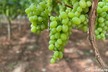
The Witch Finger grape’s flavour isn’t strikingly different from other purple or red grapes, but rather, each berry is extra-flavourful, juicier, supersweet. They achieve this by leaving the berries on the vine longer. In fall, as the rains come to this part of California, most growers quickly harvest all their grapes at once. Grapery covers their rows with recycled plastic to protect the fruit from the downpours – and marauding starlings – and conducts ongoing selective harvests of only the sweetest bunches until they’ve disappeared. $6.99/pound; harvestwagon.com.
Source: theglobeand mail.com