US (CA): Almond growers struggle to cope with little surface water, salt in groundwater
The California Department of Food and Agriculture study released Thursday found many farmers fear for the health of their trees and expect their nut harvests will suffer this year because of salt damage.
The increased use of groundwater is the culprit. That’s because water pumped from aquifers is higher in salinity than surface water from rivers, canals and Sierra snowmelt.
“When you pump groundwater, you are pulling up salts within the water,” said David Doll, University of California Cooperative Extension’s farm adviser for Merced County. “When that builds to toxic concentration it can impact growth, production and yield.”
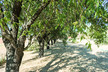
Orchards in Merced County are dealing with problems to varying degrees depending on their location. West Side growers have been dealing with the lack of water for longer, Doll said, while growers in the Livingston area have to wrestle with sandy soil more prone to becoming salty.
Growers are more likely to pull out trees that have been stressed by the drought for a year or two, he said. Healthy trees typically would have lasted three to five years longer.
State and federal ag officials contacted a representative sample of 458 California almond growers this summer to gauge how they’re coping with the drought. Nearly 78 percent of them predicted their use of high-saline groundwater will negatively affect their trees and this year’s harvest.
“It is an issue here in Merced County” particularly near Livingston, Atwater and Stevinson and west of the San Joaquin River, according to almond grower Bob Weimer. He said farms dependent solely on groundwater are suffering most.
“The symptoms are manifesting themselves dramatically,” said Weimer, who has 150 acres of almond orchards. “Production is going to be inhibited, there’s no question about it. It’s real and it can be obvious.”
Orchards that receive surface water, such as those within the Merced, Turlock, Oakdale and Modesto irrigation districts, have fewer problems with salt.
Groundwater tends to be saltier than surface water, and the salt concentration goes up as more and more water is pumped out of the ground, said Mike Jensen, a Merced Irrigation District spokesman.
But anything that endangers almonds is of concern because those nuts are vital to the region’s economy.
In Merced County alone, the sale of almond meats, hulls and shells generated nearly $500 million in revenue in 2012, according to the most recent crop report available. It was second only to milk in revenue in the county.
Almonds were harvested on 98,522 acres across Merced County in 2012, inside and outside irrigation districts.
Because rain and surface water supplies have been scarce throughout California this year, most almond growers have turned to groundwater to irrigate their orchards.
According to survey results, about two-thirds of the state’s almond orchards will rely entirely on groundwater pumping this year.
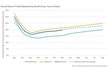
California’s almond growers expect to pump nearly 15 inches of water per acre more this year than they did last year. That’s atop the 25.3 inches they normally pump during nondrought years, the survey shows.
To get at that water, nearly a quarter of the growers contacted said they had drilled a new irrigation well this year. About one-third of those growers said they also reconditioned their existing wells to increase pumping.
Weimer is among those who turned to wells to compensate for reduced surface water allocations.
“I drilled two new wells this year, and I’m going to drill another one this fall,” he said. One of his older wells went dry because the water table has dropped so much. His wells now are more than 300 feet deep. We can’t continue with this process,” Weimer said about the increased pumping of groundwater throughout the Northern San Joaquin Valley. “It’s not sustainable.”
Doll of the UC Cooperative Extension said plants that get salty water tend to be marked by a bronze tinge on their leaves, which takes several years to work out of their systems. So, it will take more than one rainy year to fix the problem.
The survey found that more than 9 percent of almond growers have removed trees during the past six months “due solely to the lack of sufficient water availability or water quality.” More than 10 percent of those growers also have decided to delay the replanting of trees, and nearly 21 percent of them have decided to delay orchard expansion plans, it found.
Roger Duncan, a Cooperative Extension farm adviser for Stanislaus County, questioned the accuracy of plans to delay, noting that there’s more demand for new trees than nurseries can accommodate. “The nurseries are going full bore,” Duncan said. “They can’t grow enough trees.”
Source: mercedsunstar.com