The ACIPAN Economic Observatory released the "Comahue Report 2014: Key aspects of the economies of Neuquen and Rio Negro."
The report describes that the province of Rio Negro recorded a population of 638,000 inhabitants in the 2010 national census, with prospects for 669,000 people in 2013. It is estimated that Rio Negro's regional gross domestic product in 2013 would reach around 43,500 million pesos. This would mean that the GDP per capita would be of about 65,000 dollars per year.
The province's main activities include fruit growing (specifically apples and pears), tourism, construction and oil and gas.
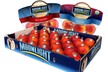
It is claimed that fruit production between 2007 and 2014 has had a slightly positive development in the case of pears and negative for apples. Indeed, during the aforementioned period, the pear production increased by 7%, while that of apples dropped by 15%.
In the meantime, apple exports have fallen by 35%, while the product's domestic consumption grew by 23%.
As for the evolution of exports and domestic consumption for pears, between 2007 and 2014 the fruit's exports dropped by 4%, while domestic consumption increased by 63%.
The main aspects said to have led to a deterioration of competitiveness in the fruit sector in recent months are:
- The season started with plenty of fruit stock in the northern hemisphere, which drove overseas season prices to lower levels than last year.
- The readjustment of internal costs, which oscillated around 30%, did away with the initial economic advantage.
- Financially, costs grew to rates ranging between 30 and 40%.
- New provisions, such as AFIP Resolution 3577/14, further complicated the financial situation.
- The obligation of having to load at the port of Rio Grande, given the impossibility to continue operating at the Port of Montevideo, entailed a logistical disadvantage, with higher costs and deteriorating relations with clients.
- Competitors are increasingly selling more in the Argentinian destination markets, for example, Chile in Brazil.
- The fall of the Generalized System of Preferences with the EU entailed higher costs for Argentinian fruit importers than its competitors, weakening Argentina's competitive position and generating a lower FOB price.
Provincial exports
The main export products are apples, pears and those linked to the oil industry. The first two items, and its derivatives, account for 67% of the province's total exports. The main destinations are Brazil (30%), the United States (15%) and Russia (13.5%).
Lines of action to prevent continuing economic deterioration
The report proposes a series of actions aimed to prevent a further deterioration in levels of competitiveness in the region's export sectors, caused primarily as a result of domestic macroeconomic policies.
It is urged to effectively reduce inflation, taxes and price and import controls.
Source: adnrionegro.com.ar