Melon lowers blood pressure due to rich source of potassium
If you have salt-sensitive high blood pressure, you probably know already that you should watch your sodium intake. What you may not know is that potassium also plays an important role in this equation. A study published last year in the Archives of Internal Medicine noted that people with a low sodium-to-potassium ratio -- that is, those who made a point of both consuming less salt and eating more potassium-rich fresh produce than is typical for the American diet -- were less likely to experience high blood pressure. Because it is a vasodilator and helps get rid of sodium and water, potassium helps curb fluid retention and blood vessel contraction.
According to the American Heart Association, the recommended daily intake of potassium for adults is 4,700 milligrams. Many people don’t normally consume this much potassium, but melons provide a tasty solution. Two cups of cubed melon contain more than 1,000 mg of potassium, or nearly one-fourth of your daily requirement.
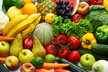
Other rich dietary sources of this mineral include apricots, artichokes, avocados, bananas, beans, kiwis, oranges, peas, potatoes, prunes, raisins, tomatoes, spinach, Swiss chard and other green leafy vegetables.
Lona Sandon, MEd, RD, LD, assistant professor, department of clinical nutrition, University of Texas Southwestern Medical Center, Dallas, Texas. Sandon is a National Spokesperson for the American Dietetic Association.
Please visit www.eatright.org for more information.