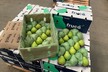
US (CA): Apricot time in Stanislaus County
"We should be OK," said Bill Ferriera, president of the Turlock-based Apricot Producers of California. "we had no real adverse weather this spring, no hail or frost damage. The fruit should be fine."
Recent heavy winds knocked down many apricots, he said. "But some always fall; it's hard to tell what was wind and what was normal."
"Wind also can cause scarring," Ferriera continued. "That's cosmetic and a bigger problem for fresh market; the majority of the crop will be processed."
California is the apricot state, producing about 98 percent of the nation's crop. But California apricots have been heavily affected by imports.
The 2013 harvest should total about 57,000 tons, same as last year, according to Ferriera.
"But that's less than half of what we picked nearly 10 years ago," Ferriera said. "In 1994, we picked 132,000 tons, with many more left in the orchards."
In recent years, Chinese apricots swamped the baby food market, and Turkish apricots took over the dried market.
"Turkey exports very, very cheap dried apricots," Ferriera said. "It really decimated our dried market; we only have two or three California dryers left. But interest in domestically dried apricots is coming back.
"California dried apricots are totally different from Turkish," he added. "They have a bright orange color and are halved. Turkish apricots are dried whole and have a completely different taste."
"They're so labor-intensive, a lot of growers have pulled out their apricots and replaced them with almonds or walnuts," said Ferriera, noting that fewer than 100 apricot growers remain in the state.
Source: modbee.com