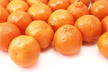
The Valencian Institute for Agricultural Research (IVIA) presented five clementine varieties, Clemenverd, Moncalina, Murta, Nero and Neufina, adapted to consumer preferences seedless fruit and high juice content.
The regional Government stated that these varieties also cover producer needs, as their ripening can advance or even extend the harvest.
The fruits were presented to representatives of Valencian agricultural organisations, Ava, La Unió and Fepac, of the cooperative sector and of other entities such as Agroalimed, Anecoop and the Citrus Management Committee.
The five varieties meet all legal requirements for their distribution after being registered, having passed all the technical tests and being certified as fully sanitised; a guarantee that also benefits potential consumers.
The earliest of the group is called Nero. It is similar to the Clemenules, but it ripens 15 to 20 days earlier, from mid-October to early November.
This variety has a large fruit, is seedless and easy to peel, making it commercially appealing.
The second earliest is the Clemenverd; a variety with a harvest period between late December and early February, with a high juice content, seedless and no peel puffing.
Between January and February is the optimal moment to harvest the Moncalina, obtained from the hybrid Moncada, with great quality, plenty of juice and barely any seeds.
Among the late ones is the Neufina, obtained from irradiated Clemenules, which is harvested from mid-January, although in favourable conditions this can be extended up to early March. It is seedless and easy to peel.
The Murta, derived from the hybrid variety Murcott, presents a great quality fruit, with firm texture, high sugar levels, low presence of seeds, easy to peel and a harvest period from mid-February up to late April.
These new varieties have been developed within IVIA's research programme on quality plant material selection, aimed at allowing producers in the Region of Valencia to improve their business opportunities, hence increasing the profitability of the agricultural sector.
Source: Finanzas.com