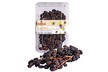
New Mexico has made its mark on the pecan industry with a high grade, carefully developed pecan variety. The state produces about 20 percent of the total U.S. pecan crop and the industry has thrived in recent years with increased global exports to Chinese and Turkish markets.
But the New Mexico pecan industry is not without challenges.
Deadly drought conditions that escalated in 2011 caused tree loss to growers from Arizona to Texas. New Mexico pecan growers were forced to pump groundwater to sustain some orchards, a costly procedure, and many had to purchase water rights just to keep their orchards alive.
While drought conditions have improved, pest and disease pressures remain a constant challenge. This year, producers asked the New Mexico Department of Agriculture and the EPA for an emergency exception to use a restricted pesticide, sulfoxaflor, to protect their trees and their promising nut crop.
Producers say the more than $100 million state pecan industry could take a big hit this year if EPA denies the request.
But opposition to the measure has been building. Environmental groups, especially Environment America, a national conservation organization that launched a campaign and collected nearly 250,000 signatures—of which all but 7,000 signatures are from out-of-state residents—oppose the exception because sulfoxaflor is a neonicotinoid-class pesticide tagged as harmful to honey bees and other pollinators.
While the issue remains unsettled at present, both farm groups and environmentalists are encouraging supporters and/or those opposed to the request to make public comment before the EPA comment period expires Aug. 9 (2016).