In June, Egyptian exports to Arab countries hit $830 million, up from $696.9 million in June 2019. On the other hand, Arab countries’ exports to Egypt declined by $333.9 million to record $496.2 in June instead of $830.1 million in June 2019.
In its monthly report, the General Organization for Import and Export Control (GOEIC) said there was a 4.7 percent decrease in non-petroleum exports which hit $16.752 billion during the same period last year.
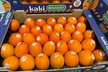
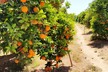
The Egyptian cabinet plans to boost agricultural exports in FY2020/2021 by entering new markets through grapes, citrus, and garlic. The targeted markets are Southeast Asia, Canada, and a number of African and Latin American countries.
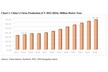
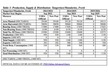
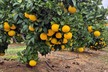
That is why the cabinet plans to encourage the cultivation of horticulture crops, particularly those of which Egypt has achieved self-sufficiency. The percentage for zucchini, bell pepper and green beans is 105 percent, while that for citrus is 140 percent.
According to an article on egypttoday.com¸ the government wants to enlarge the area cultivated with olives by 40,000 feddans as it is now 54,000 feddans and continue growing 100 million olive trees. That is in addition to expanding greenhouse farming like the 100,000 Greenhouse Project established by the Egyptian Armed Forces, and organic agriculture.