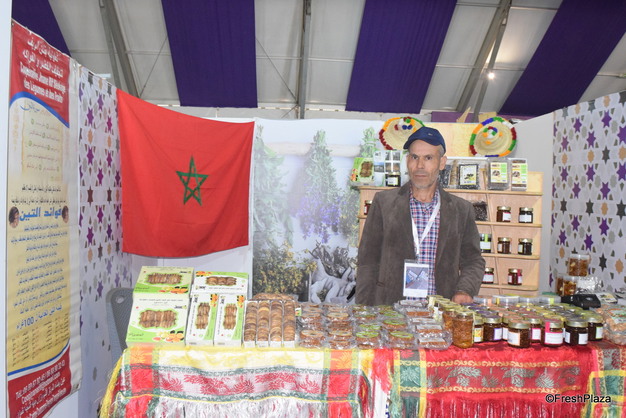
The production of dried figs, once a popular product in the Moroccan market, has declined in recent years due to climatic and industry-specific factors. Local Moroccan figs have gradually been replaced by Turkish figs, especially in the retail sector. Grower and processor Mohamed Ezzaam of the Jnane Rif cooperative reports on the state of the market.
 © Youness Bensaid | FreshPlaza.com
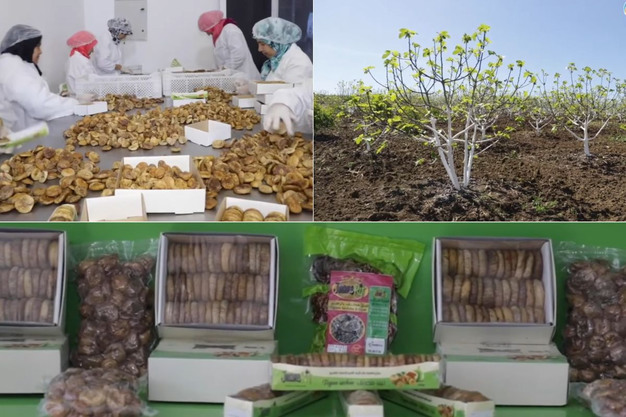
Ezzaam notes that growers in northern Morocco, one of the main regions for this product, have long suffered from declining yields. He explains, "The fig sector, including figs intended for processing, has long struggled with drought and successive drops in volume over the seasons. More seriously, it has also suffered from the retreat of rurality in the face of urbanization, which has diminished young people's interest in this industry. When you consider that players in this sector are mainly small-scale farmers and traditional processors, it becomes clear why the product is no longer as prevalent in the markets, even though it was once a highly sought-after item."
Meanwhile, the sharp rise in the market price of dried figs has contributed to a decline in consumption, according to Ezzaam. "Prices have risen from 60 MAD to 120 MAD over the course of just a few seasons. This increase eats into production costs, while the producers themselves see no change in their margins."
On supermarket shelves, especially during peak consumption periods like Ramadan and the end-of-year holidays, Moroccan figs have been replaced by those from Turkey. Not a real solution to meet market demand, according to Ezzaam. He argues, "We see that imported figs do not fall into the higher quality categories. Moreover, they are much more expensive than Moroccan figs. Consumers see this contrast and are simply coming to terms with the new reality of scarcity."
 © ADA
© ADA
With improved rainfall and encouraging prices, the producer notes that other challenges remain to be addressed before hoping for a recovery in production volumes: "In our cooperative, we are currently capped at around 60 tonnes per year, which is the maximum capacity of our cold storage facilities. We are exploring the possibility of using third-party cold storage, but we are concerned that consumers may not accept the resulting increase in costs."
For more information:
Mohamed Ezzaam
Coopérative Agricole Jnane Rif
Tel: +212655281498
Email: [email protected]