The market for cassava and other tubers from Costa Rica shows steady growth, driven by increasing demand in Europe and a gradual stabilization of prices. Joshua Guerrero from Tropifoods explains that the sector arrived in 2026 after a phase of adjustments and consolidation.
"2025 was a relatively stable year for roots and tubers, especially cassava. 2024 was marked by a significant rise in prices; last year showed a more balanced trend, with increases in the first half and then stabilization," stated Joshua Guerrero, from Tropifoods.
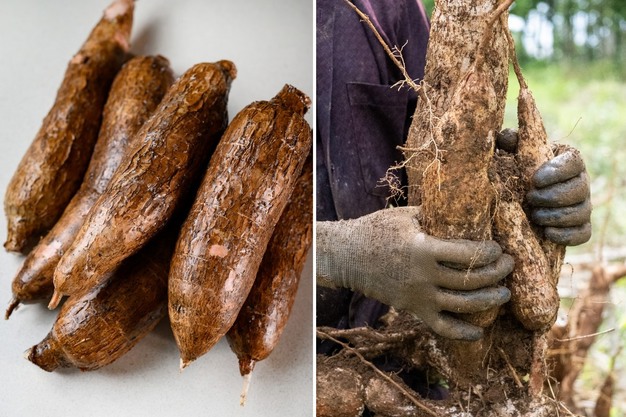 © Tropifoods
Forecasts for 2026 indicate this trend will persist. "We believe prices will continue to stabilize a little, but will remain at this level," he said. He also states that this situation will enable supply to adjust and support increased demand.
 © TropifoodsThe development of the cassava market is marked by consistent growth rather than rapid expansion. "It is a product that has a 2 or 3% growth a year, but it never stops growing," Guerrero stated. This growth mainly occurs in volume rather than in value, due to price fluctuations.
Europe remains the primary force behind this growth. Over the past ten years, Costa Rican cassava sales have expanded beyond Spain to numerous other countries. "Today, it is present in France, Italy, the Netherlands, Germany, Poland, Belgium, Switzerland, and even Turkey and Scandinavia," he said.
The UK is also a significant growth market, while North America, especially the United States and Canada, drives international demand.
One of the most significant shifts in consumption has been the evolution of product positioning. Traditionally associated with ethnic or nostalgic markets, cassava has become more popular among the general consumer.
"Ten years ago, it was only available in specialized shops; now, it can be found in supermarkets," Guerrero stated. He also highlighted the growing interest in its nutritional benefits, especially as a gluten-free option. "When people seek gluten-free recipes, cassava often comes up, which increases its consumption."
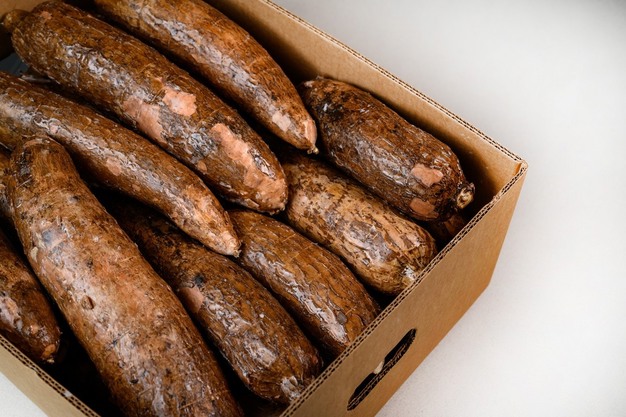 © Tropifoods
Tourism and global food trends have also contributed. European consumers who try cassava in Latin America often incorporate it into their diets when they return home.
Tropifoods expects growth of approximately 8-9% in 2026, resulting in an additional 20-25 containers. "For a product like cassava, that's a significant volume," Guerrero stressed.
At the same time, the sector faces climate-related challenges. "Changes in rainfall patterns, winds, and temperatures have affected production in recent years, also impacting prices. These factors have reduced availability and made producers less efficient," he concluded.
 For more information,
Joshua Guerrero Medina
Tropifoods
Pital de San Carlos and Escazú Village Torre 2
Costa Rica
Tel: +506 70133700
Email: [email protected]
www.tropifoods.com