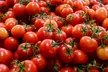
Burkina Faso has introduced an immediate ban on fresh tomato exports, tightening supply to Ghana following earlier disruptions linked to security issues along the trade corridor.
The measure was announced in a joint communiqué on March 16 by the Minister of Commerce and the Minister of Agriculture. The ban applies nationwide and aims to secure raw material supply for domestic processing plants under the country's industrialisation programme.
The issuance of Special Export Authorisations has been suspended. Traders holding valid permits have been given two weeks to complete shipments, after which all authorisations will be void. Enforcement has been assigned to security agencies and border units.
The ban adds pressure to Ghana's market, where imports from Burkina Faso had already been affected after traders suspended cross-border activity following a security incident in Titao. This led to reduced supply and higher prices in key markets.
Ghana imports more than US$400 million worth of tomatoes annually from Burkina Faso, with around 90 per cent of Burkinabè exports directed to the Ghanaian market. Disruptions in this trade corridor have a direct impact on supply and pricing in urban centres.
The export restriction in Burkina Faso is linked to domestic processing capacity. The Burkina Faso Tomato Company (SOBTO) launched a processing facility in Dogona in November 2024 with an hourly capacity of six tons. A second plant in Tenkodogo, currently over 70 per cent complete, is scheduled to begin operations in March 2026. The government is prioritising domestic supply to support these facilities.
In Ghana, the supply disruption is occurring alongside efforts to increase domestic production. The country recently introduced a National Tomato Production Strategy for 2026 to 2030, targeting a reduction in tomato paste imports from over US$100 million annually to US$20 million by 2030 and an increase in the use of locally grown tomatoes by processors from 7 per cent to 85 per cent.
Officials indicate that domestic production will take time to scale, while supply chain and security conditions remain under review.
Source: News Ghana