 © Asayan Mexico
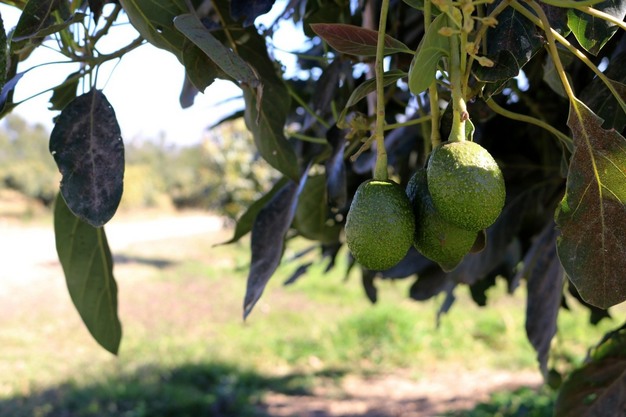
In the shadow of the major growing countries Peru and Chile, avocados of Mexican origin are also gradually gaining importance in European markets again. The company Asayan has been exporting to Europe for six years now and is seeing rising demand for organic and conventional Hass avocados, especially in the Netherlands and the DACH region, reports Daniel Nitsch, sales manager at the company. "Currently, other countries on the American continent, especially Peru, also want to increase their exports to the US, which may also have an impact on prices in Mexico. When setting prices, we focus on seasonal market developments to offer competitive conditions."
 © Asayan Mexico
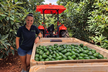
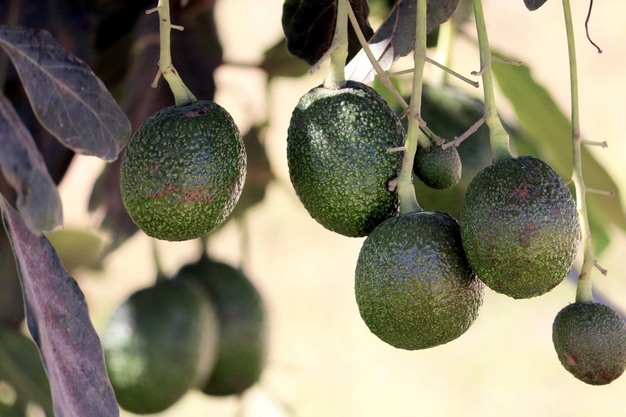
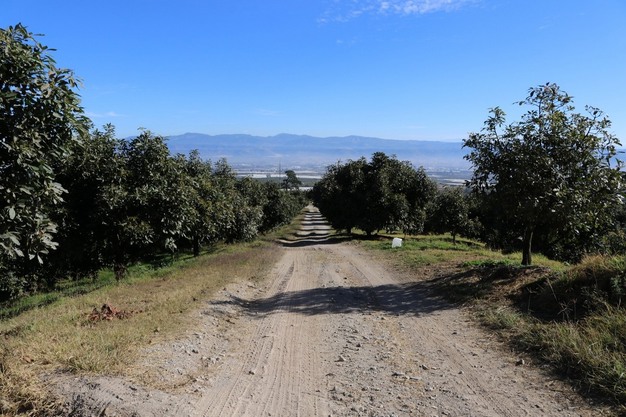
The majority of the produce is sourced from three passionate producers in western Mexico.
Marketing potential in the organic and conventional segment
Initially, the focus of business activities was on the export of organic avocados. "Our main season runs from August to early January. Especially at the start of the season in September and October, we can fill interesting gaps with our organic avocados. In addition, compared to the conventional market, there is only a manageable spot market for organic avocados, so in my opinion, the market is also much more stable. Last year, we also exported conventional avocados for the first time, as we saw interesting marketing potential here too, not least because of our certifications such as Spring, GlobalGAP, and SMETA. We stand out from the standard thanks to the unique flavor profile, sustainable cultivation, and inner values of our avocados," explains Nitsch.
 © Asayan Mexico
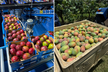
All sizes (12-30) can be covered in both the conventional and organic sectors. However, the majority are sizes 16-22.
Positive signs for the new season
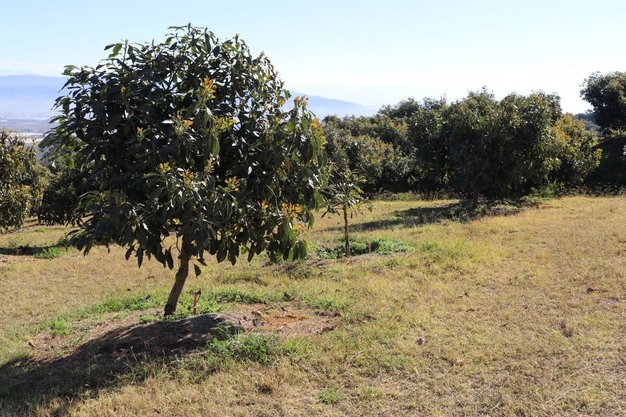
Due to optimal weather conditions, a record harvest was achieved last year. Nitsch: "This helped us to offer our goods at attractive prices. Price pressure in the supply chain and logistics continued to be particularly challenging. It must be said that Mexican avocados are generally somewhat more difficult to handle due to their sensitivity." The signs for the new 2026 season are also particularly positive so far, he continues. "The current weather conditions are consistently good, without extreme wetness or dryness. Accordingly, we expect a similar season to last year and a total volume of around 100 containers. In the conventional sector in particular, we are in direct competition with Peru and Kenya at the start of the season, which brings with it corresponding challenges in terms of pricing."
 © Asayan Mexico
"Our mission is to be the specialists for the European market and to ensure a reliable supply of goods," emphasizes Nitsch.
Sustainability and social responsibility are central to Asayan. The company is consistently guided by the UN's 17 Sustainable Development Goals (SDGs) and is committed to a better world through full traceability and ethical conduct towards the people who contribute to its success with their work. Nitsch: "We have also established a specialized sub-production chain to maximize quality through continuous improvement processes, especially in product selection."
Global avocado market in transition
Avocados are among the most popular fresh produce in the world, and their popularity continues to grow. At the same time, their cultivation is increasingly coming under criticism due to the high water consumption involved. "It is to be expected that cultivation in Spain and Morocco will stagnate or decline in the coming years. In other countries such as Kenya, Colombia, and Brazil, however, the signs point to expansion due to good water resources. Here, too, sea freight and transit times play a decisive role: Compared to Colombia and Brazil, transit times for Mexican avocados are around a week longer," explains Nitsch. "We also work closely with our logistics partners and use tried-and-tested technologies to reduce the risk of goods losses due to underweight and spoilage to an absolute minimum."
 © Asayan Mexico
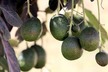
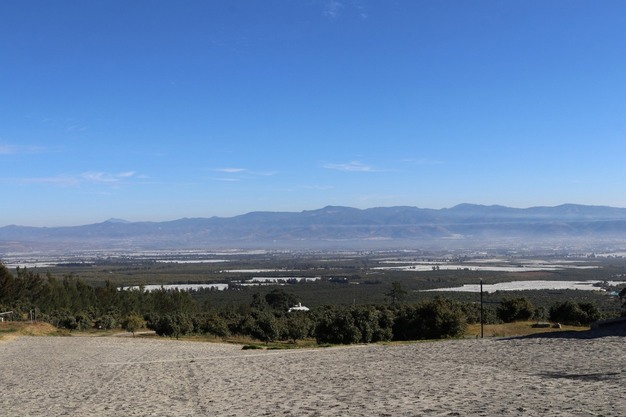
Mexican avocados from the Jalisco growing region are not artificially irrigated and, due to the four flowering seasons, have a unique taste and relatively high dry matter (solids content).
Mangoes, limes, and dried fruits
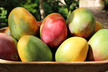
Although Hass avocados are by far the largest product line for Asayan, the company also distributes other fruits from the gardens of Mexico, including dried fruits and limes. "Between February and April, we focus on exporting the two mango varieties Tommy Atkins and Ataulfo. Thereafter, we seamlessly continue with the standard varieties Kent and Keith, which we can usually offer until the end of August," he concludes.
For more information:
Daniel Nitsch © Asayan Mexico
Asayan Mexico - Sales Europe
Tel.: +31 6 48421792
[email protected]
www.asayanmexico.com.mx