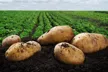
After several seasons of tight availability and elevated prices, the EU potato sector is now contending with oversupply and declining returns. In 2025, potato prices fell by 22 per cent compared with 2024, which had already recorded a decline.
Between 2000 and 2023, EU potato production fell by nearly 40 per cent, driven by climate conditions, lower consumption, and tighter pesticide regulations. Reduced supply supported higher prices. However, high returns encouraged area expansion.
"France needed roughly 40,000 additional hectares of potatoes by 2030," says Geoffroy d'Evry, president of the national potato producers' organisation (UNPT). "That shortfall was filled within a single year."
According to d'Evry, who also chairs the potato working group at Copa-Cogeca and is president of the North-Western European Potato Growers' Association (NEPG), Germany, France, Belgium, and the Netherlands typically require around 24 million tons to meet demand. "This year we harvested 27 million tonnes," he says.
Export channels outside the bloc have tightened. U.S. tariff policy has "dampened business enthusiasm," d'Evry says. Currency movements have also reduced competitiveness in markets such as China, India, and Egypt, which are increasingly active in third-country markets, including the Middle East.
Poland is reporting elevated inventories. "Stocks are full," said Tomasz Bienkowski, president of the Polish Potato Federation. He also reports quality challenges following heavy autumn rainfall, which affected raw material suitability for fries and chips.
Producers in western Europe have redirected shipments into Poland, increasing pressure on local prices. According to Bienkowski, some producers are selling 100 kilograms for as little as €3, equivalent to approximately US$3.27. "For some large farms, collapse is a real possibility," he says.
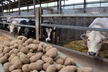
In response, French producers have launched a platform to redirect volumes toward animal feed. In Poland, Bienkowski notes that incorporating potatoes into livestock rations would require changes to feed formulations. Use in alcohol production is limited, as distilleries rely on lower-cost inputs such as corn. Biogas conversion is also constrained due to high water content.
Growers across western and eastern Europe indicate that area reductions are being considered. "There must be a collective awareness," d'Evry says, calling for a 10 per cent reduction in potato area.
Bienkowski anticipates potential effects on seed demand for the next planting season. "I don't know who will buy next year's seed," he says.
Source: Euractiv