The apple market remains in crisis: between 2021 and 2025, production costs per 100 kg rose by over 22 percent due to minimum wage increases and similar factors. This year's season was particularly affected in Germany by an underestimated harvest and insufficient consumption in the fall, explained Ursula Schockemöhle, pome fruit expert at the market research institute AMI, in her presentation during the Fruchtwelt Bodensee trade fair.
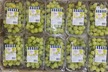
The apple harvest ultimately turned out to be around 14 percent higher than expected at the start of the harvest in August. In the Altes Land region in particular, the harvest forecast was greatly exceeded, while in the Lake Constance region, similar quantities were harvested as in the previous year. "Apples were not heavily advertised in food retail outlets, however. Instead, grapes, stone fruit from the Mediterranean, and, of course, blueberries and avocados were often advertised at prices that were attractive to consumers well into late fall. In addition, demand is changing as more 1 kg food containers are being offered and anything over two kilos is met with little response from consumers," Schockemöhle outlines, referring to the relatively low price level.
 © AMI
© AMI
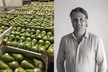
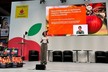
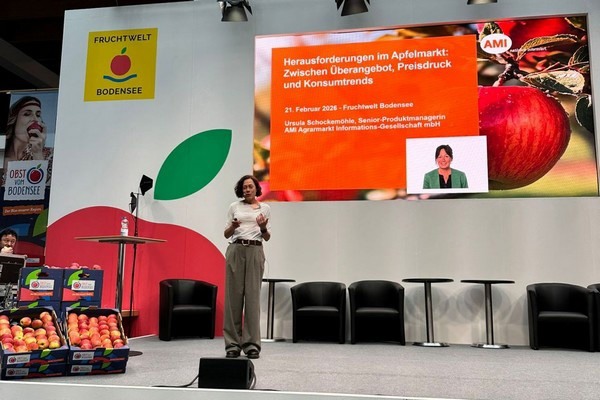
Ursula Schockemöhle during her presentation at this year's Fruchtwelt Bodensee in Friedrichshafen.
Declining apple consumption in Germany
Last year, fruit consumption in Germany increased slightly, while demand for apples fell by 4 percent. Overall consumption and thus the market share of apples has declined sharply over the past four years in favor of other types of fruit, especially berries. According to AMI figures, this trend applies to the entire food retail sector, whether full-range retailers or discounters. On the other hand, the balance sheet for weekly markets and specialist retailers is positive. Apples appear to be attracting less attention, especially among younger buyers. However, club apples—especially Pink Lady—are a positive exception, having grown strongly over the past five years. This is partly due to the attractive packaging units (mainly 1 kg).
 © Hugo Huijbers | FreshPlaza.com
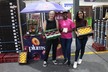
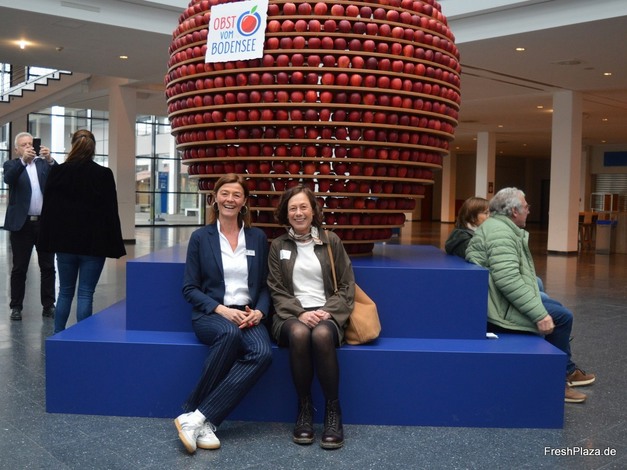
Manuela Heinrich (Obst vom Bodensee Marketing GmbH) and AMI consultant Ursula Schockemöhle at the end of the first day of the trade fair.
Exports outside Europe
According to Schockemöhle, the German apple market is characterized by a high level of self-sufficiency and low import volumes. Current market conditions are forcing marketers to look for alternative markets. "In the current season, crop failures in Turkey and the resulting export opportunities to third markets are providing some breathing space. The most interesting export markets include India, the Arab countries, and North Africa. Nevertheless, at the beginning of February, there was a record amount of stock available in Germany, which still poses quite a challenge for marketing," concludes Schockemöhle.
For more information:
Ursula Schockemöhle
[email protected]
www.ami-informiert.de