Producers often look for ways to cut costs by reducing inputs without reducing output, and at the same time they want to improve that output. For Mulgowie Farming Company, combining both approaches became possible with regenerative agriculture.
Mulgowie's Rebecca Lowth says, "We've been kind of regen for a long time. But then we took active steps to make sure there was a standardisation across multiple farming sites. That's how we got there."
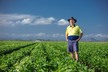
 © Mulgowie Farming Company
The motivation was threefold. First, she says, there was a recognition that the long-term viability of farming depends on treating soil and plants with greater respect. "To have farms in the future, we need to treat our soil and plants differently," she says.
Second, the company saw clear commercial potential. Rising labour, fuel and synthetic fertiliser costs made reducing inputs a must. The bigger question was whether yields would suffer.
"The big question around regen is always, what does that then do in terms of yield returns?" Lowth says. "But we had enough examples through trials to demonstrate that you could actually get an increase in yield with the right plant health methodology and regen farming principles."
Finally, there was a human health dimension. As a family-owned business, Mulgowie is conscious that what goes into the soil ultimately ends up on consumers' plates. "What you put into your product is going into people," Lowth says. "Nutritional density in product is a human health issue."
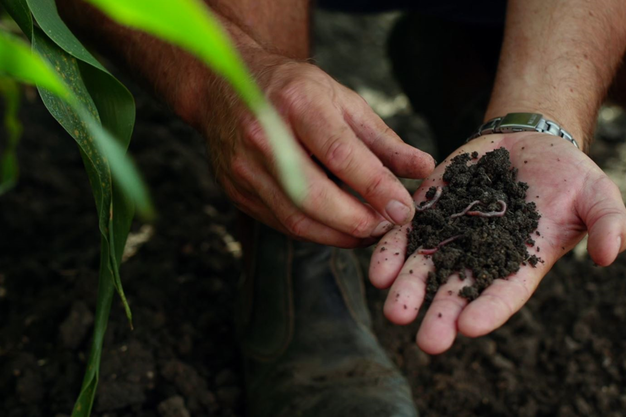
In practice, regenerative agriculture at Mulgowie builds on established techniques such as crop rotation but applies them with greater precision and consistency. Zero-till planting has been adopted more broadly, including systems where sweet corn is grown and beans are later planted directly into the mulch and live root systems left behind.
 © Mulgowie Farming Company
"What became more standardised was planting directly into the live roots of the former crop and using any waste material at the plot itself, along with application of localised compost," Lowth explains.
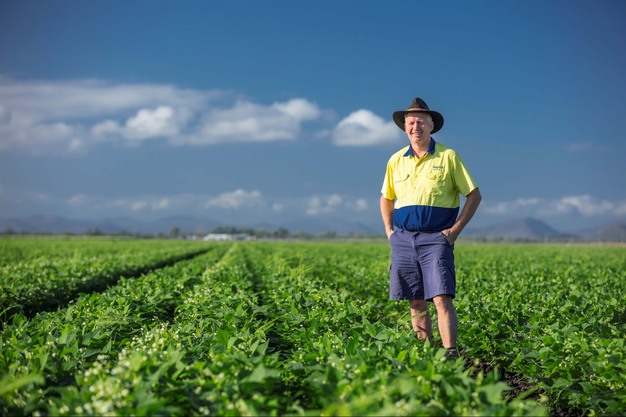
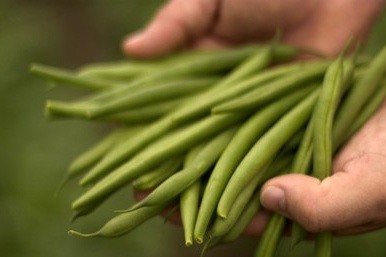
The outcome has been plain to see is in green beans, a key crop for the business. According to Lowth, soil health and plant nutrition flow directly through to the finished product.
"Fundamentally, the idea is that you have the right nutrients in the soil, which enables the plant to have the right nutrients, which therefore is passed onto the crop that we consume," she says.
One measurable difference has been less nitrate. "Because we're not using synthetic nitrates, our beans had lower nitrate content than others that we tested in the market that did use synthetic fertilisers," she says. "Indicatively, what it's saying is you end up with more of the beneficial nutrients and less of the stuff that we add through the synthetic fertiliser process."
Lowth says beans grown under the regenerative system are structurally stronger at a cellular level, which translates into better performance along the supply chain.
"The outcome is beans that, at a cellular level, are more robust and last longer at the consumer end," she says. "They're looking fresh 10, 11, 12 days later. More of the beans end up in the pack because they're more robust. They're less likely to be damaged by the harvester, through processing and chilling. They stand up to more variable temperatures."
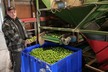
 © Mulgowie Farming CompanyCustomers notice this outcome, some even going so far as to write and tell the company how good it has been to have beans that last.
The nutshell of crop rotation and cover crops sounds simple enough but regenerative agriculture requires intense care. Lowth notes, "We're able to give the plant the best conditions it needs, based on the environmental conditions, rather than pouring fertiliser and chemicals onto it just in case it needs it."
The result, she suggests, is a system that supports soil, strengthens crops and makes commercial sense.
"It's very cool. We hope we can keep doing it."
For more information:
Rebecca Lowth
Mulgowie Farming Company
Tel: +61 402 054 306
Email: [email protected]
https://www.mulgowie.com.au