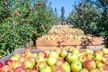
Germany remains a key destination for Chilean agri-food exports in Europe. Germán Vergara from the ProChile office in Berlin states that their main goal is to "promote the Chilean offer and connect exporters with importers, distributors, and retailers; essentially, with the entire supply chain."
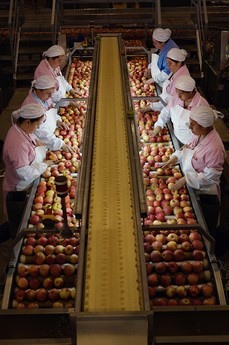
ProChile's support involves market intelligence, regulatory monitoring, and participation in international trade fairs, which are essential tools in a country that hosts some of Europe's major sector events. "Eighty to ninety per cent of a fruit exporter's requests are to contact an importer," he notes.
 © ProChile
The data highlights the significance of the German market. In 2025, Chile's total exports to Germany are projected to reach $1.689 billion FOB, up from $1.126 billion in 2024. Excluding copper and lithium, shipments totaled $659 million, a notable rise from $453 million the previous year.
In 2025, bilateral trade amounted to $4.466 billion, with Chile recording a trade deficit of -$1.807 billion.
Breaking down by macro-sector (excluding copper and lithium), the agricultural sector leads by a wide margin, accounting for $441 million in 2025, or 67% of total exports in this category.
Germany is portrayed as a mature, highly professional market for fresh fruit. "Germans prioritize long-term relationships and trust. Even if more attractive offers arise, they tend to stay loyal to their current supplier," Vergara explained. "They'll stick with you as long as you meet quality standards and deliver reliably."
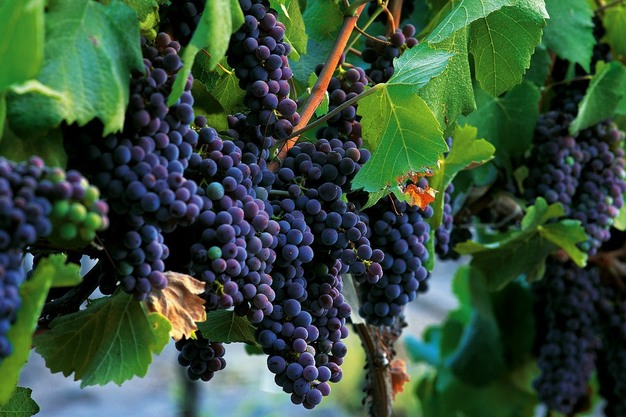
 © ProChileChile's main products include apples, which top sales, along with table grapes, blueberries, avocados, and citrus fruits. Hazelnuts and walnuts also hold a notable position in the German nut market.
The dynamism is also evident in the number of exporting companies. The number of Chilean companies exporting to Germany went from 551 in 2024 to 565 in 2025. 240 of them were from the agricultural sector.
Vergara notes that the German market is continually raising its standards. 'Sustainability, which was once an added benefit, has now become nearly a fundamental necessity," he said, highlighting the growing regulatory pressures regarding pesticides, carbon footprint, and water consumption in Europe.
There's also a rising demand for organic products, particularly organic lemons, although he admits that the Chilean supply remains limited. The German consumer is "very demanding and well-informed," with a preference for healthy products, convenient formats, and ready-to-eat options.
For anyone aiming to enter or grow in this market, the key message is: "First, understand your target market, know the regulations, and ensure you have the right product. Market intelligence is crucial for success in any export venture."
 © ProChile
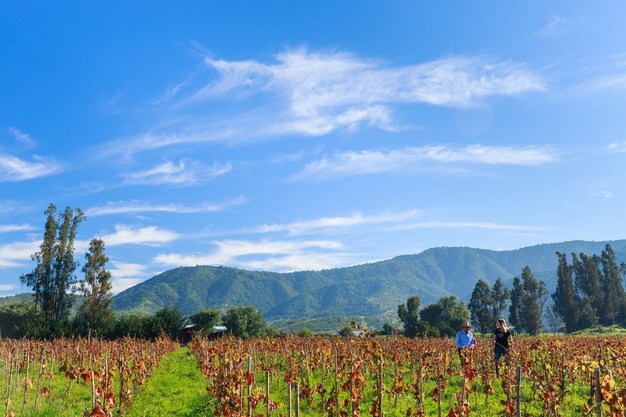
ProChile provides free assistance to companies with export potential, guiding them from initial registration to participation in international trade fairs. Vergara emphasizes that the goal is for these companies to achieve a successful market entry within a competitive yet stable environment for those who manage to establish themselves.
For more information:
Germán Vergara
ProChile in Berlin
Email: [email protected]
www.prochile.gob.cl