Senegal's Ministry of Industry and Trade has outlined the outcomes of a revised trade strategy aimed at regulating agricultural imports and supporting domestic production. Speaking at a recent press conference, Minister Serigne Guèye Diop said the policy is intended to reduce reliance on foreign supplies through tighter market controls and production-linked trade measures.
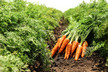
According to the ministry, Senegal's vegetable sector recorded higher domestic coverage levels over the past year. Onion production supplied about 75% of national consumption, allowing the country to go nine consecutive months without imports. As a result, onion imports fell to 350,000 tons. Carrot production also reached extended coverage levels, with the market relying on local supply for roughly ten months.
Potatoes showed the longest period of market closure. Imports have been suspended since January, resulting in close to twelve months without a foreign product entering the market. The minister linked this outcome to increased domestic output and policy enforcement. "The goal is to produce what we consume and to be able to process it," he said. Storage capacity currently stands at about 170,000 tons, with further expansion planned to manage supply fluctuations.
Beyond vegetables, the government has expanded protective measures to other crops. Banana imports have been suspended, with the aim of extending local supply coverage from three to six months starting next year.
At the close of the press conference, Serigne Guèye Diop called on traders to comply with approved pricing frameworks, particularly in light of lower prices reported in some international markets. He stated that reductions in global prices should be reflected in local markets to limit pressure on household food costs.
The ministry indicated that monitoring and enforcement measures will continue as part of the broader effort to align trade policy with domestic agricultural output.
Source: SeneWeb