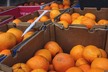
La Unió Llauradora reports that, by the end of 2025, the RASFF system recorded a total of 949 rejections of fruit and vegetable imports from non-EU countries, due to either unauthorized active ingredients or exceeding MRLs. This is a 6.5% increase from 892 rejections in 2024. Turkey and Egypt accounted for the highest numbers, with 295 and 81 rejections, respectively.
The European Commission, during a recent meeting of the Standing Committee on Plants, Animals, Food, and Feed (SCOPAFF), agreed to reduce the official inspection controls on citrus fruits from these two countries due to their improved compliance. In the case of Egypt, interceptions decreased from 82 rejections in 2024 to 81 in 2025, a 1% reduction, and for citrus, from 34 to 30, a 4% decrease.
 © La Unió
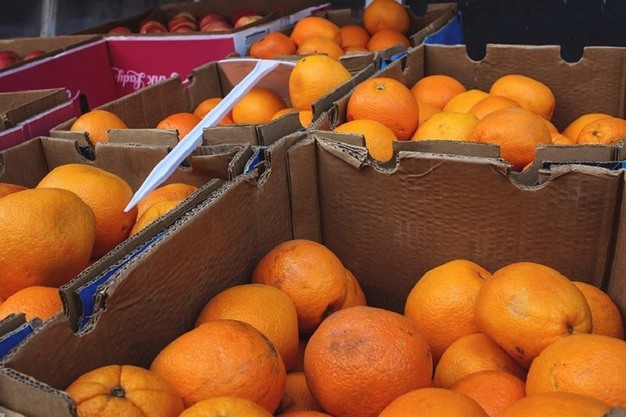
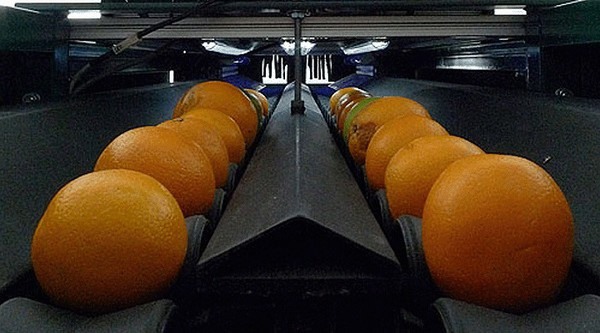
Despite this, the EC decreases the frequency of checks on Egyptian oranges from 20% to 10%, arguing that "oranges from Egypt have been subject to an increased level of checks since July 2022," but that, "given that the checks show an improvement in compliance, the 20% level is no longer considered justified, and the frequency needs to be reduced to 10%."
Carles Peris, secretary general of La Unió, highlighted that "this new increase in interceptions is happening without reciprocity mechanisms in production standards between imported and European products, without the adoption of mirror clauses and without any commitment to reduce active materials in third countries, as is done in the EU."
Besides the decreased inspections for Egyptian oranges, similar reductions apply to lemons and Turkish oranges, which drop from 30% to 20%. For mandarins, clementines, wilkings, and similar hybrids, the inspection rate decreases from 20% to 10%.
 © La Unió
La Unió recommends increasing identity and physical checks on fruits and vegetables from countries with the highest number of interceptions, such as Turkey and Egypt, to 50%. To ensure effectiveness, it recommends extending the duration of these measures to 12 months. If, at any point during this period, there is a 5% rise in alerts for any product, the organization suggests halting imports from these countries and agricultural products with traces of pesticides not authorized in the EU or exceeding the set MRLs.
La Unió suggests that the EC should revise its policy of reducing active materials if it cannot achieve progress on reciprocity: "The substances or plant protection products that are considered harmful to consumers here will also be harmful when they enter via imported products."
 For more information:
Carles Peris
La Unió
Tel: +34 658 92 89 23
Email: [email protected]
https://launio.org