Food Freshly has expanded its post-harvest offering for 2026 with two new initiatives focused on reducing losses in fresh produce and supporting efficacy testing for fresh-cut fruits and vegetables.
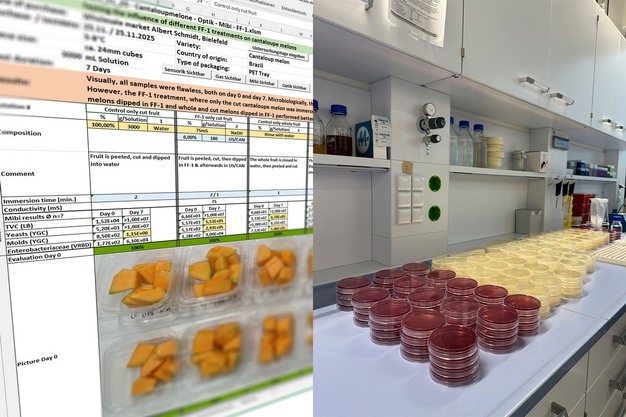
The first initiative is an expansion of the Food Freshly Produce Wash, which was introduced last year and is designed to address food safety and microbial load reduction. Following feedback from customers, the scope of the wash has been broadened to include berries, pineapples, cantaloupe melons, and root vegetables, in addition to its earlier applications. The system is intended for use where conventional washing with water alone does not sufficiently address bacteria, yeast, or mold.
 © Food Freshly
According to the company, the Produce Wash combines two washing steps. One wash is aimed at reducing microbial contamination, while the second focuses on supporting shelf life. The approach avoids the use of chemical agents such as chlorine or peracetic acid, instead relying on food-grade materials authorised under EU legislation and recognised as safe by the U.S. Food and Drug Administration.
Food Freshly said the expanded wash is being tested with customers in Spain, the Netherlands, and the United Kingdom. Trials also include applications for root vegetables, where soil-borne contamination can be difficult to remove through water washing alone and where chemical use may be restricted by regulation.
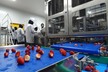
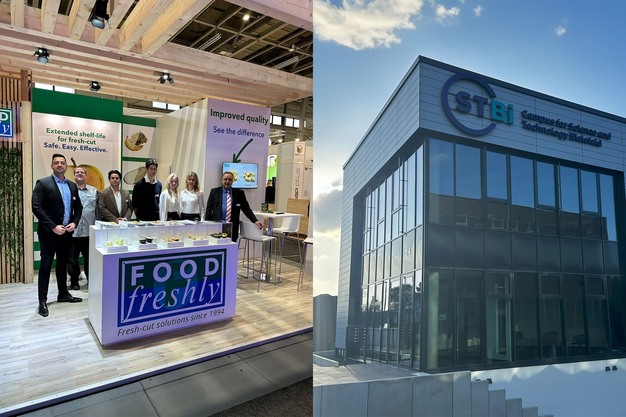
The second initiative is the launch of laboratory-based testing services for fresh-cut fruits and vegetables. These services are intended to evaluate the performance of post-harvest treatments and products, including those supplied by third parties. Using its laboratory facilities, Food Freshly said it can assess how different crops and varieties respond to post-harvest treatments, sanitation processes, packaging systems, and storage conditions.
 © Food Freshly
Benjamin Singh, CEO and CSO of Food Freshly, said the company developed the services in response to customer requests for independent testing. "We can cover any application that a customer may ask for and can build up a complete picture telling us what the product looks like, what level of microbial ground contamination it has received, and how different post-harvest treatments will affect the shelf-life and organoleptic qualities," he said.
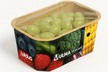
The testing services focus specifically on fresh-cut fruits and vegetables and include analysis of microbial levels, shelf life, and sensory attributes. According to the company, this also allows assessment of how fresh-cut products perform under modified atmosphere packaging when combined with different sanitation treatments.
Food Freshly stated that the two initiatives are intended to support growers, packers, and processors in selecting post-harvest treatments and handling practices suited to their products and markets, while responding to regulatory requirements and customer-specific needs.
Food Freshly will be exhibiting at Fruit Logistica 2026 from 4-6 February 2026 in Hall 21, Stand E-50.
 © Food FreshlyFor more information:
Benjamin Singh
Food Freshly
Tel: +49 521 96 8787 0
Email: [email protected]
www.food-freshly.eu