Avocado and French beans are common crops in Rwanda; strawberries are less so. Evergreen Holding, which owns AgriBloom Farms and Pure Harvest Farms, grows all three of them.
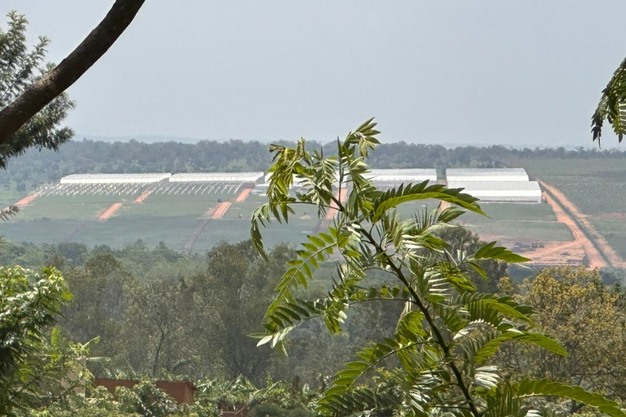
AgriBloom Farms currently operates on 200 hectares of land in Bugesera, a region southeast of Kigali. Of this, 168 hectares are reserved for avocados of the Hass variety, sourced from Kenya. So far, 110 hectares have been planted. "We're looking at full maturity yields of about 15 tons per hectare for avocados," says Emnet Kejelcha, Business Development Manager at Evergreen Holding. "Our first crop is expected around 1.5 years after planting, so we're working toward that timeline."
 © FreshPlaza
Emnet Kejelcha, Business Development Manager at Evergreen Holding
The remaining 32 hectares are used for vegetables, including French beans and, soon, chilies aimed at the Chinese market. The French beans are currently sold through Garden Fresh, another Rwandan exporter. Chilies will follow the same path in the short term. However, Emnet is clear about the long-term goal: "Eventually, we want to export under our own company name."
The farm is fully irrigated, with separate reservoirs for avocado and vegetable plots, and currently employs more than 340 workers.
Strawberries under cover
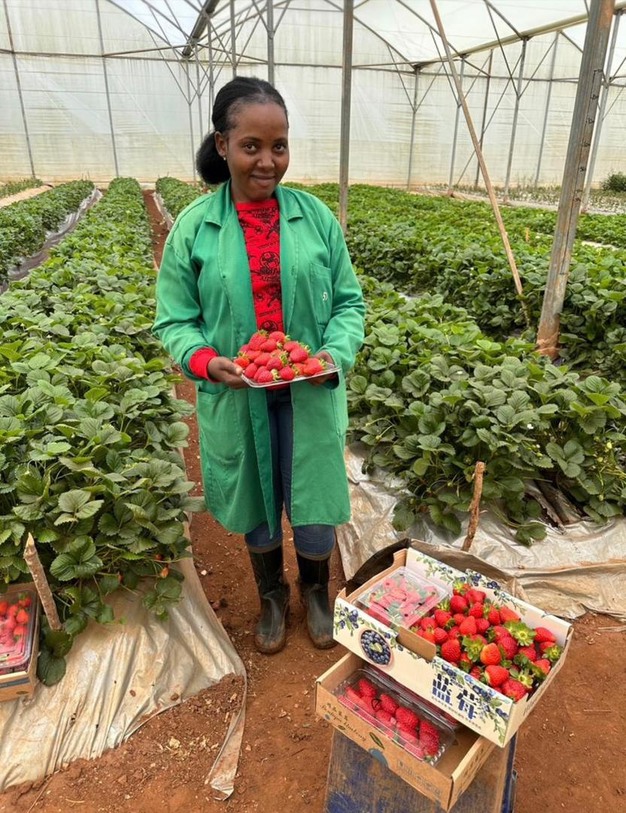
Pure Harvest Farms, the strawberry arm of the business, operates on a 20-hectare site, where the focus is on greenhouse-covered soil-based farming. "We're not going hydroponic," says Emnet. "Instead, we're using greenhouses with plastic mulch on the soil, which allows us to manage the environment more easily while keeping costs manageable."
 © Evergreen Holding
The greenhouses, currently under construction, will cover between 5 and 8 hectares in the first phase. Materials are sourced from Israel and India, and the strawberry variety Monterey was selected from California for its sweetness, size, and shelf life. Initial trial runs by a different company with 1,000 seedlings yielded promising results, proving Rwanda's climate is suitable for strawberries.
The harvest of the first commercial planting is expected by April. "With greenhouse conditions, we can produce strawberries all year round," says Emnet. At full scale, the farm will need up to 420 employees.
Smart water use and sustainable methods
Water access has been a key consideration in farm location and design. Both main sites are near lakes, and each crop has dedicated reservoirs. The vegetable fields benefit from government-supplied infrastructure, such as pivot irrigation systems. "Water management techniques have been inspired by practices in Israel. We're using drip irrigation across the board. The goal is efficiency, especially as we scale up," explains Emnet.
Export ambitions and air cargo woes
About 85% of Evergreen's produce is destined for international markets. "We're targeting Europe, the Middle East, China, and other African countries like Nigeria, South Africa, and Tanzania," says Emnet. The remaining 15% will be sold locally in Rwanda.
Strawberries will be shipped in standard 250-gram punnets, 10 to 20 per box, depending on buyer preferences. Depending on demand and how quickly the full 20 hectares are brought online, weekly strawberry harvests could exceed 20 to 40 tons. Due to their perishable nature, strawberries must be exported by air. "That's where we hit a bottleneck," Emnet admits. "There's limited cargo space at Kigali airport, and we don't yet have proper cold storage on site."
 © Evergreen Holding
To mitigate this, Evergreen is actively lobbying for improved infrastructure and seeking partnerships with airlines like RwandAir and Ethiopian Airlines. The company is also collaborating with other exporters such as Bella Flowers and Garden Fresh to build a stronger case for expanded facilities.
Less perishable crops like avocados can travel by sea. "Sea freight to Europe and the Middle East is far more cost-effective, around 25 cents per kilo compared to $2 to $2.50 by air," says Emnet. An avocado oil processing unit is also under consideration, which would allow the company to use second-grade fruit that doesn't meet export quality standards.
Pricing, partnerships, and risk management
Evergreen's pricing strategy is designed to be flexible. Strawberry prices are expected to range between $4 and $7 per kilogram, depending on the season and the destination. Freight costs, especially by air, are significant factors, and the company also takes into account broader issues like geopolitical risk and energy costs. "We're developing long-term contracts with international retailers and distributors," says Emnet. "That gives them and us some predictability."
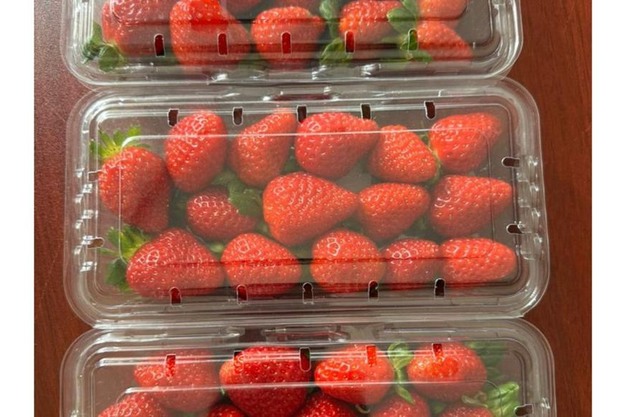 © Evergreen HoldingTo meet export market expectations, Evergreen is aiming for a suite of certifications, including GlobalG.A.P., BRC, GRASP, Fair Trade, and possibly Rainforest Alliance and SPRING. Audits are being scheduled as the physical infrastructure nears completion. In addition, a centralized packhouse is in development. Spanning 1.3 hectares and located just 1.5 hours from Kigali, the facility will include cold storage and serve all of Evergreen's crops.
While Evergreen Holding Ltd. is relatively new on the scene, it brings together deep agricultural and marketing experience. Emnet herself has worked in Ethiopia's horticultural sector for over 15 years, including time with the Ethiopian Horticulture Producer Exporters Association (EHPEA). Now in Rwanda, she sees huge potential.
For more information:
Emnet Kejelcha (Business Development Manager)
Evergreen Holding Ltd.
Kimihurura, KG 666 st, Gate 5 (Rwanda)
Tel.: +250 794 006 192 (Rwanda)
Tel.: +251 911 892 626 (Ethiopia)
[email protected]
For more information on the Rwandan fresh produce export sector, please contact Charlotte Uwicyeza ([email protected]) of the National Agricultural Export Development Board (NAEB), which will also be present at the upcoming Fruit Logistica: Hall 26, Stand C-61. A joint booth with Rwandan companies can be found at Stand B-80 in Hall 26. Click here for an overview of Rwandan fresh produce exporters.