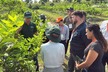
The 2026 harvest of the protected mandarin variety Nadorcott is already underway in the Iberian Peninsula, in a campaign that has started a little earlier this year and in which the acreage is officially estimated at around 9,200 hectares, mainly in Spain. Due to the weather conditions during the flowering period, among other circumstances, production is expected to be around 15% lower than last year.
Managed by the Compañía de Variedades Vegetales Protegidas (CVVP), the protection of the Nadorcott variety will be in force until December 31, 2029, which means that it cannot be planted or grafted without authorization, nor can the number of plants be increased before January 1, 2030, from what has been contracted by licensed growers.
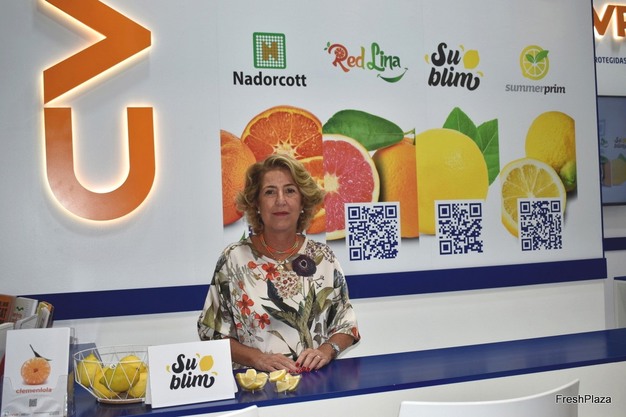 © Joel Pitarch | FreshPlaza.com
"We are now in the final years before the end of Nadorcott protection, and it's important that growers are aware of the importance of respecting this deadline," says Reyes Moratal, manager of the CVVP. "There may be growers wanting to save time and planting before the variety is free. Therefore, if Nadorcott production is detected in 2030 or 2031 on a farm without a license, it would mean that the trees were planted or grafted during the protection period, which would be an infringement," says Reyes Moratal.
"We will continue defending the interests of our partners beyond December 31, 2029, taking all the extrajudicial and legal action necessary to prevent the variety from being illegally exploited," says the CVVP manager.
For this reason, the company is focusing its efforts on preventing infringements in these last few years of Nadorcott protection, redoubling vigilance and investing more resources, both material and human. It should be recalled that infringements carry heavy fines and the uprooting of the plantation, even if it's legal, if more trees have been planted than were contracted. "It's very important for us to protect those growers who do things right. Last year we inspected 40% of the acreage, and each year we are going to increase that percentage," says Reyes Moratal.
The CVVP was a pioneer in successfully implementing the management model for protected varieties in Spain. "In the early days, it was really difficult because it was traditionally inconceivable in society for a fruit to have intellectual property rights. Although it has taken a lot of work and resources, our mentality in 2026 is light years ahead from that of yesteryear, and no one questions the benefits of this management model for all links in the value chain."
Today, the CVVP manages several plant varieties. "The task of authorizing producers is delegated to us by the holders of the rights of the varieties to be grown. Our work consists of processing all these authorizations, acting as mediators between the holders and the growers, and providing growers with support for any queries, management, and assistance," says Reyes Moratal.
The CVVP will be present as an exhibitor at Fruit Logistica in Berlin and will be welcoming any interested parties at stand A-02 in hall 18.
 For more information:
Compañía de Variedades Vegetales Protegidas (CVVP)
Edificio Sorolla Center
Av. Cortes Valencianas 58, 1.°, pta. 10
46015 Valencia, Spain
Tel.: +34 960 619 335
[email protected]
www.clubvvp.com