Rwanda is emerging as one of East Africa's most compelling new origins for premium horticultural exports, combining unique seasonality, strong government backing, and a rapidly professionalising private sector. Despite being a landlocked country, Rwanda offers buyers something increasingly rare in global fresh produce markets: reliable year-round vegetable production, counter-seasonal avocados for Europe, abundant water resources, and a tightly integrated production and export ecosystem.
Rwanda's horticultural industry may be young, but it is developing with intent and speed. This is according to Seun Rasheed, CEO of Souk Farms. The grower and exporter says, "Our location gives us both opportunity and responsibility. We have ideal growing conditions and access to multiple markets, but we must continue to innovate around logistics, sustainability, and execution to compete with more established origins. That is exactly what Rwanda, and Souk Farms in particular, is doing. Our company is playing a pivotal role in this evolution, as one of Rwanda's leading growers and exporters of vegetables and avocados."
 © Souk Farms
Export-oriented horticulture, a young industry in Rwanda
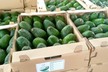
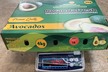
The grower recounts the industry's inception: "The Rwandan horticultural industry is young, around twelve years old, and mainly exports fine beans and chili peppers. However, at Souk Farms, alongside other players, we saw great potential in the avocado industry. We had to overcome a major challenge. Previously, Rwandan avocados were only transported by air to the Middle East, as Europe was unaccepting of air freighted avocados for sustainability reasons and required specific certifications. About two years ago, we successfully shipped our first container of avocados to Europe by sea."
The emergence of the avocado export industry was initially inspired by the Rwandan domestic market, which is an avid consumer of this fruit. Rasheed explains, "Rwanda has a high per capita consumption of avocados, perhaps the highest in Africa. Locals prefer the Jumbo variety, with its green skin and large size, to the Hass or Fuerte varieties. We had to develop the cultivation of the Hass variety, which is in the highest demand on the global market, by leveraging decisive and unique competitive advantages. Rwanda's unique winter season for avocados (October-April) allows it to avoid competition from major growers such as Peru, Kenya, and South Africa, which guarantees good prices.
"At Souk Farms, we embarked on this journey with our own production on a 42-hectare farm with 16,800 trees, a rare feature of integrating both production and exports, giving us a considerable advantage over our competitors. We also work with a single outgrower, a cooperative of over 2,500 farmers operating on a single vast orchard of 45,000 trees, helping us to maintain fruit uniformity during ripening, a common challenge for other exporters in other East African origins," the grower continues.
 © Youness Bensaid | FreshPlaza.com
Seun Rasheed, CEO of Souk Farms
"The professionalization of production stems from Rwanda's government efforts to consolidate small land parcels into larger, irrigated schemes. In broad terms, the government then invites investors like Souk Farms to lease land from farmers, providing employment and a profit share. At Souk Farms, we manage all farming operations, from planting to harvesting, on these consolidated lands, leading to increased mechanization and yields," Rasheed adds.
Avocados are the spearhead of Rwandan agricultural exports
According to the grower, avocado acreage is increasing season after season in the country. He notes, "Rwanda is attracting investors, with more than 700,000 trees planted just last year. What is interesting is the emergence of so-called professional large-scale growers, who use advanced irrigation techniques and are constantly improving the quality and size of the fruit. This has led to an increase in fruit size, with a range of 18 to 24 this year, with the goal of reaching 16 to 20 next year by adjusting their feeding programs."
According to Rasheed, the young avocado export industry is booming thanks to unique seasonality, but it still faces a significant obstacle. He explains, "When we exported our first container to Europe in 2023, we benefited from high prices for avocados thanks to an advantageous trade window. But we faced a major disadvantage because our country is landlocked. This translates into longer and more expensive freight to Europe, requiring transit through two borders to reach the port of Mombasa in Kenya. In addition, the lack of local refrigerated containers results in high additional costs for trucking empty reefer containers to and from their location."
 © Souk Farms
"We anticipate a significant drop in freight prices, which will make our avocados even more competitive, as reefer containers will soon be stationed in Rwanda once weekly shipments from the country reach a minimum of 5-7 containers, which should happen within two seasons," The grower adds.
Rwandan origin offers another decisive advantage in the avocado sector, namely its enormous water reserves, at a time when sustainability concerns are becoming increasingly pressing among buyers and consumers and may become subject to strict regulation and legislation in Europe. As Rasheed explains, "Rwanda has no water supply issues thanks to abundant rainfall and numerous lakes, including Lake Kivu, one of the largest in Africa, and a multitude of smaller ones. The water quality and pH are excellent. While many orchards are rain-fed, resulting in smaller fruit, commercial orchards like ours are irrigated using sprinklers and hydrants."
 © Souk Farms
The soil varies considerably in Rwanda due to microclimates caused by differences in altitude, ranging from sandy loam to volcanic soil. Despite its small size, the country experiences varied weather conditions depending on the region. This will enable Rwandan growers, according to Rasheed, to achieve yields of 17 to 20 tonnes per hectare for commercial avocado farms once the orchards reach maturity, representing a significant increase from the current average of 12 to 15 tonnes, often due to lack of irrigation and the young age of the trees.
One of the main challenges to achieving higher yields is the lack of local expertise and research centers in this nascent industry, which means that technical knowledge must be sourced from expatriates.
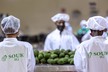
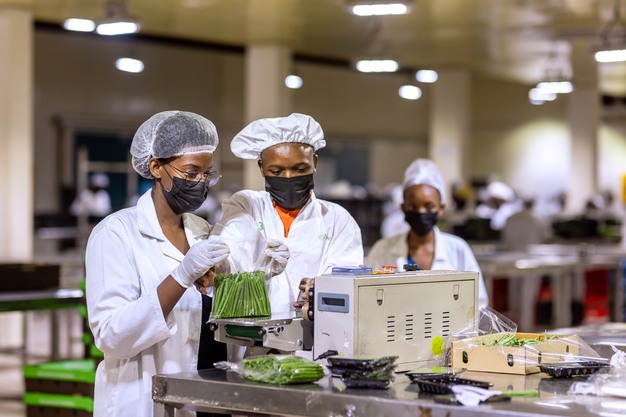
A key strength underpinning Rwanda's horticultural export growth is its strong foundation in certified food safety and social compliance aligned with the requirements of European and Asian markets. Rasheed says, "At Souk Farms, all export-oriented production and packhouse operations are structured around internationally recognised standards, including GlobalGAP for primary production, GRASP for worker welfare, LEAF for sustainable farming practices, and SMETA for ethical trade and social accountability. These frameworks are supported by full farm-to-market traceability and disciplined residue management backed by accredited local MRL laboratories and robust internal audit systems. For buyers, this translates into lower compliance risk, greater transparency, and confidence that Rwanda and Souk are operating to the same governance, sustainability, and food safety expectations as more established global origins."
 © Souk Farms
Rwanda's geographical location, close to Kenya, a giant in avocado production, raises questions about its competitiveness. However, according to Rasheed, "Rwanda is not in competition with Kenya because our seasons are complementary, allowing for continuous supply year-round from East Africa. In addition, we have a significant advantage over our neighbors. Unlike in Kenya, we have greater integration of the sector with consolidated orchards, lower export prices, and better control of programs, MRLs requirements, and hence quality and uniformity of ripening upon arrival."
This competition also forces Rwandan exporters to target the most lucrative markets. Rasheed states, "Our main target market for Rwandan products is Europe and Asia because of better prices and steady and increasing demand."
Rwanda has more to offer than just avocados
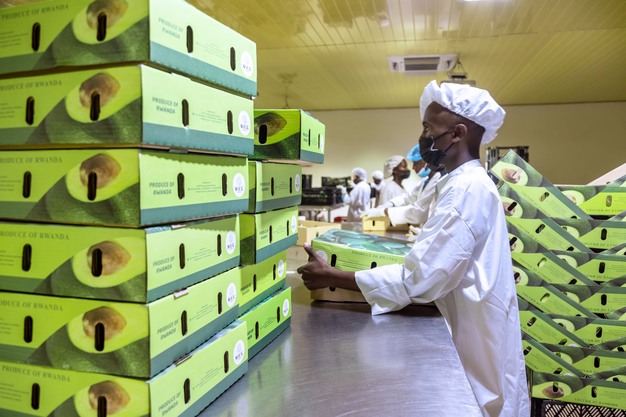
In addition to avocados, the country has great potential for developing other high-demand products. "The possibilities are vast, stemming from consistent year-round temperatures, allowing for continuous year-round production of vegetables. The country also boasts abundant water resources and diverse microclimates, enabling the cultivation of a wide range of produce, in cooler western regions and warmer eastern areas," Rasheed says.
 © Souk Farms
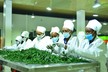
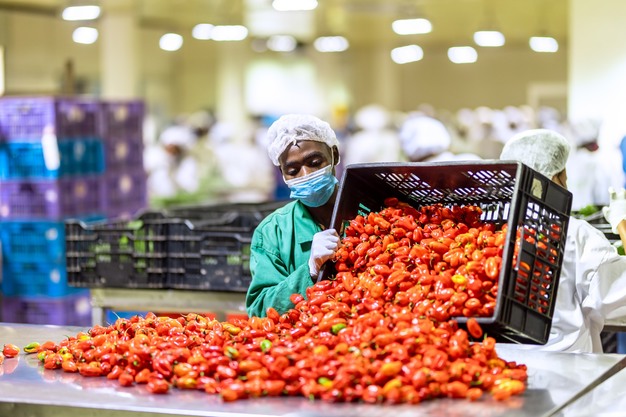
"We have identified several products that can excel in international markets. We are currently developing specialty crops for export, such as tender stem broccoli, baby corn, mild chili varieties like Fresno and Serenade, and baby vegetables like Zucchini. We have also turned to the local market for these same products, previously thought only for export, due to a large expatriate community in Rwanda with similar tastes. This community includes Rwandans who grew up abroad and foreigners working on various projects, such as conference services and building Rwanda as a cargo hub, all seeking specialty vegetables," the grower explains.
However, we have begun to encounter challenges with French beans. Rwanda has traditionally excelled in fine and extra-fine beans, but North African growers such as Egypt and Morocco have improved significantly recently, hence slowly eroding this advantage. The competition is still manageable, as North African production is seasonal (October-April), meaning East African beans are still imported during their off-season to maintain supply.
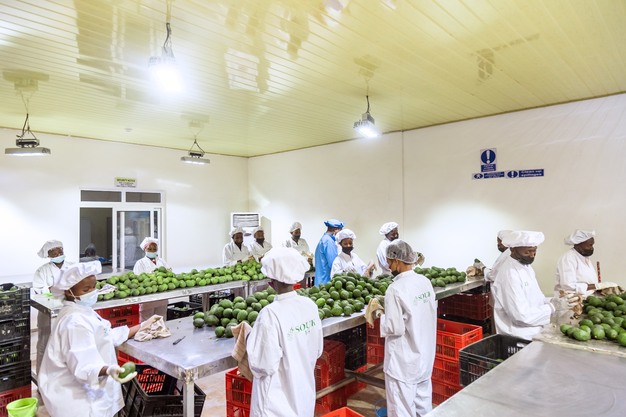
"The climate is also suitable for fruits like oranges and apples, with ongoing commercial trials for citrus and macadamia. Given the multitude of choices available, we are looking to focus heavily on value-added products beyond raw produce, such as ready-to-eat mixed vegetables, avocado oil, and guacamole," Rasheed continues.
 © Souk Farms
An ecosystem at the service of investors
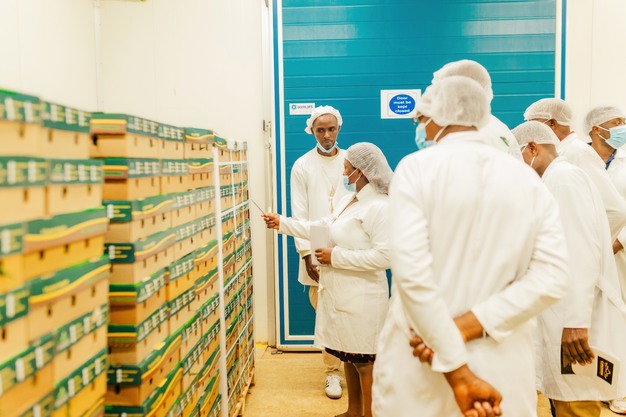
The recent, perhaps belated, development of agribusiness in the country allows Rwanda's ecosystem to draw inspiration from other models and avoid their pitfalls. According to Rasheed, the focus is on aiming for higher productivity and food security, as well as increasing agri-exports. The grower says, "Our ecosystem actors, including the government, emphasize crop rotation that includes locally demanded crops to ensure domestic consumption alongside exports. The government actively supports the agricultural sector, aligning its Vision 2050 strategy with business ambitions. This support includes government-funded irrigation schemes, like the 5,600-hectare irrigation project (Gabiro), which offers significant investment opportunities. These schemes provide key infrastructure such as irrigation, thereby reducing initial investment costs for farmers. Thanks to these incentives, the number of exporters has grown from less than 20 in 2015 to over 100 in 2025."
The ecosystem promoting the growth of agricultural exports also includes more comprehensive economic incentives, according to Rasheed. He explains, "The ease of doing business in Rwanda, ranked first in Africa in this area, attracts many international companies, with several already having invested. The country also enjoys a healthy monetary environment, and the Rwandan franc is experiencing a stable depreciation of 8-10% annually, which is considered normal and manageable for a growing economy. In terms of infrastructure, the country's small size minimizes internal logistical challenges, with farms typically only a few hours away from packing facilities."
 © Souk Farms
Considerable efforts to overcome the logistical challenge
Logistics remain the main challenge facing Rwandan exporters of fresh produce, sometimes becoming a thorn in their side, as was the case during the Red Sea crisis. Although the situation in the Red Sea is improving, the fact remains that logistics overall require exporters to demonstrate great flexibility. Rasheed cites an example: "European supermarkets are slowly banning air-freighted fruits and vegetables, and this is a clear and established trend. This 'responsible ban' is pushing exporters to innovate and find more sustainable shipping methods, such as sending vegetables and even flowers by sea from East Africa and Kenya. Exporting fruits such as avocados also poses challenges with longer transit times due to regional vessel ownership, but solutions are improving. We therefore expect overall exports by air to Europe to present greater long-term sustainability issues, with increased competition and difficulty accessing markets expected within 7-10 years. The time is now for innovation."
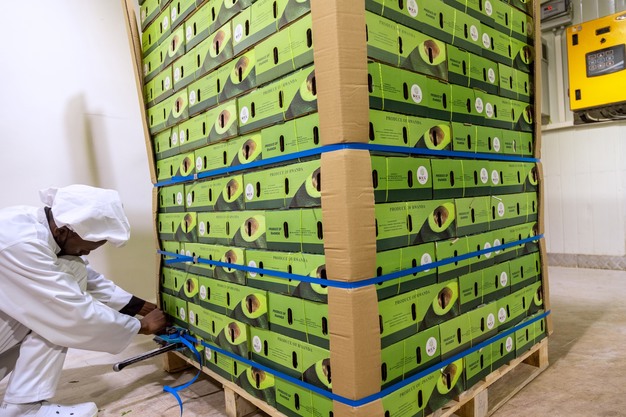
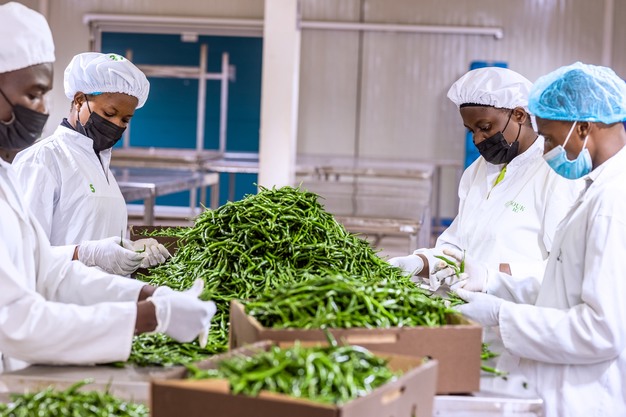
"We are tackling this issue and managed to export avocados by sea to Europe, which arrived in excellent condition despite the situation in the Red Sea, and things can only improve when the crisis is finally behind us. This season alone (Oct 25 to April 26), we expect to close with over 15 containers of avocado exported. We believe that innovation, such as shipping vegetables by sea, will create further market access. All in all, we believe that the business's growth will be highly dependent on external factors like logistics and import regulations, requiring constant adaptation to market trends and regulations."
 © Souk Farms
"Buyers are looking for origins that reduce risk, not add to it. Rwanda offers a compelling combination of seasonality, water security, quality potential, and policy support. At Souk, we offer the execution, scale, ambition, and professionalism to turn that potential into a reliable supply. We believe Rwanda will become a key pillar in diversified sourcing strategies for Europe and Asia over the next decade."
"For buyers, investors, and partners seeking a new East African origin built for long-term growth, Rwanda and Souk Farms are ready to engage," the grower concludes.
 For more information:
Seun Rasheed
Souk Farms
Tel: +250788362388
[email protected]
[email protected]
www.souk-ig.com
For more information on the Rwandan fresh produce export sector, please contact Charlotte Uwicyeza ([email protected]) of the National Agricultural Export Development Board (NAEB), which will also be present at the upcoming Fruit Logistica: Hall 26, Stand C-61. You can find Souk Farms at Stand D-90 in Hall 26. Click here for an overview of Rwandan fresh produce exporters.