This season, the Latin American blueberry market is experiencing stable volumes, expected supply, and rising quality pressures. Simón Andrés Muñoz, senior consultant at CASM Blueberries, analyzes the 2025-2026 season, focusing on production, varieties, prices, and logistics.
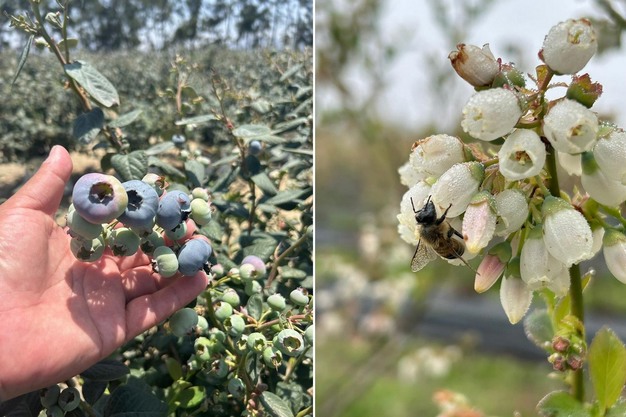
According to Muñoz, Peru, Chile, and Mexico remain the region's primary players. Peru experienced a nearly 10% decrease in volume due to a cold event during the fruit-set stage, while Chile surpassed initial forecasts, reaching 93,000-96,000 tons. Supply has aligned with market expectations, but the increased Chilean volume is exerting pressure on prices, particularly late in the season, he said.
 © CASM Blueberries
In Mexico, the planted area has decreased, but not necessarily due to a decline in interest. "The reduction goes hand in hand with old varieties that did not adapt; growers working with club varieties continue to grow them," he says. This reflects a cross-regional trend: varietal change as a key factor in maintaining competitiveness.
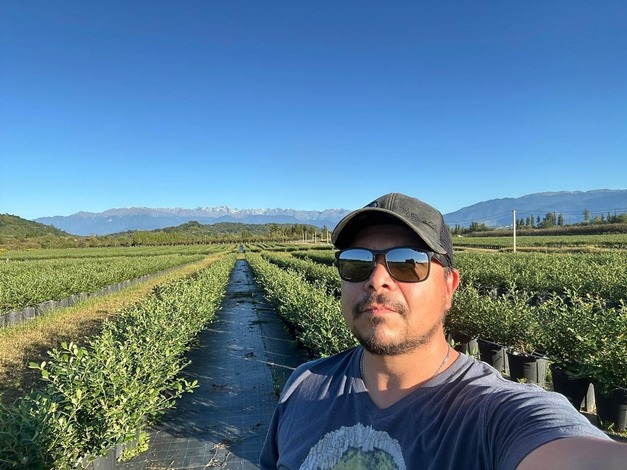
Muñoz is clear: "Varietal change has been extremely important in positioning the Latin American blueberry." The new premium varieties have greatly improved post-harvest life, size, and flavor, enabling trips of up to 45 or 50 days without affecting quality. This has created opportunities in distant and demanding markets such as China, Europe, and the Middle East.
 © CASM Blueberries
The consultant notes relative price stability for most of the year. Limited Peruvian supply resulted in significant drops, whereas Chilean prices remained steady in the first half of the season. "There may be adjustments toward the end of harvest, but this is typical," he said.
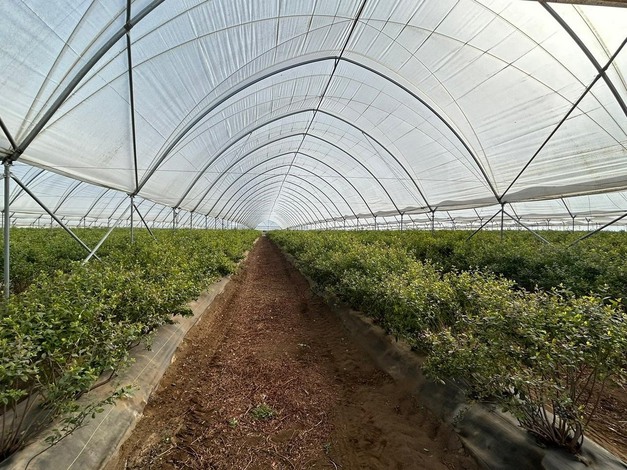
Logistics and the cold chain remain key factors. "We may have the best product, but if we don't preserve quality during 20 or 25 days of transit, it's worthless," Muñoz emphasized. Chile and Peru have gained solid experience in this area, whereas other origins continue to face structural obstacles.
 © CASM Blueberries
China remains the primary market destination, with the United States and Europe following. In the US, the focus is on volume, whereas in Europe and Asia, repeat purchases are driven by quality. Muñoz also notes the emerging yet steady growth of domestic markets in producing countries, where blueberry consumption is gradually strengthening.
Looking ahead, the message is clear: understanding the consumer, investing in more profitable varieties, and managing the logistics chain will be essential to maintaining profitability for a business that, despite challenges, continues to experience growing global demand.
 © CASM BlueberriesFor more information:
Simón Andrés Muñoz
CASM Blueberries
Chile
Tel: +56 9 3261 2176
[email protected]
www.casmblueberries.com