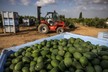
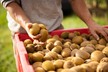
The Etunda Irrigation Project in Namibia's Omusati region has harvested about 60 tons of mangoes from its 60-hectare mango orchard during the current week. The harvest was highlighted during a visit by Minister of Information and Communication Technology Emma Theofelus, who toured the project to review its operations and current output.
According to information shared during the visit, the mangoes are graded and packed into different categories before being sold to local traders. The marketing of the fruit supports local livelihoods, as traders purchase volumes for resale within surrounding communities.
Theofelus noted that the surplus mango volumes create scope for local fruit juice processing. This option is being explored in collaboration with the University of Namibia. The mango harvest forms part of a broader production system at Etunda that includes multiple crops.
During the visit, the minister raised concerns about vandalism and theft affecting the project. "That is very disheartening because as a community vandalises or steals the produce at the scheme, it impacts the success of the scheme, and we don't want that," she said. She added that vandalism disrupts daily operations and poses risks to employment, food production, and longer-term development.
Theofelus said addressing these issues will require engagement with community leaders and residents. "A lot of conversations need to be held with the community leadership and the community members themselves so they value what is in their community and add value to it so it contributes to the country's development," she said.
The visit also aimed to assess recent changes at Etunda, including the onboarding of new farmers on available plots. Theofelus said agriculture remains central to national development efforts. "Agriculture is a very valuable aspect of governing this country because once we have our food basket properly maintained, we can develop from there," she said.
Farmers at Etunda cultivate a range of crops, including grapes, naartjies, mangoes, and vegetables. Bananas have been introduced on a trial basis. In addition, the project produces carrots, onions, tomatoes, and cabbage, which are sold to the public.
The scheme employs local communities, engaging up to 450 Namibians annually as casual workers. Theofelus said her office plans to work with the Ministry of Agriculture to raise awareness of the project's role in food production and employment and to encourage community support to protect its operations.
Source: Windhoek Observer