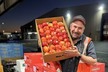
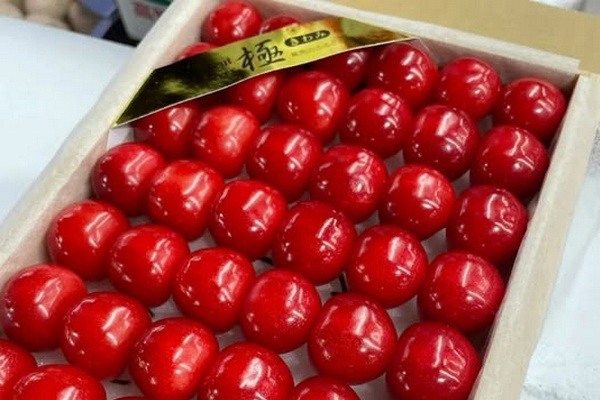
Early-season Sato Nishiki cherries from Japan's Yamagata Prefecture recorded record prices at the first auctions of the year on 5 January. At a wholesale market in Tokyo, a box of cherries sold for 1.8 million yen, equivalent to about US$12,000, translating to more than 26,000 yen, or roughly US$173, per cherry.
A separate auction held in the city of Tendo, located in Japan's main cherry-producing prefecture, also set a record. A box containing 68 cherries was sold for 1.55 million yen, or approximately US$10,300.
 © Facebook
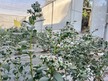
Cherries in Japan normally reach peak availability in early summer. However, growers have brought volumes forward using ultra-forced cultivation methods. This production system involves chilling cherry trees to simulate winter dormancy before transferring them to greenhouse conditions, allowing flowering and fruit development to take place earlier in the calendar year.
The use of this approach enables growers to target premium early-season market windows, particularly for high-value varieties such as Sato Nishiki. The system requires controlled temperature management and extended greenhouse use to advance harvest timing.
Kenichi Mannen, deputy sales manager at JA Tendo Foods, referred to the growing conditions faced by producers this season. "I heard management was tough this year due to unstable weather, and we want to work hard to deliver products that make customers happy," he said.
Yamagata accounts for the majority of Japan's cherry production and is known for early-season and protected cultivation systems. The opening auctions are closely watched within the domestic market, as they often set pricing expectations for the rest of the season.
The early auction results reflect how advanced production techniques are reshaping traditional harvest calendars, particularly for premium fruit segments supplied through controlled-environment cultivation.
Source: The Straits Times