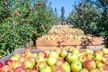
A civil engineer and MBA graduate from Surat has developed a vegan leather made from apple waste generated by juice factories. The material is produced using between 50 and 80 tonnes of discarded apples per month and is positioned as an alternative to animal-based leather.
The processing facility is located in Himachal Pradesh, where apple production is concentrated, and waste from juice factories is readily available. Around 50 percent of apples produced are not suitable for the fresh market due to damage, blemishes, or natural drop, and are typically discarded or underutilised.
The developer spent around one and a half to two years refining the process of converting this apple waste into leather. The production method is described as eco-friendly, and a trademark application has been filed with the Government of India.
According to the information provided, the apple-based leather has an estimated lifespan of 15 to 17 years based on laboratory testing. The material is reported to be around 75 percent cheaper than traditional animal leather and is positioned for use in clothing and fashion applications. Compared with synthetic vegan leathers, which are typically plastic-based, the apple leather is presented as a natural alternative.
The initiative aims to scale up by sourcing apple waste from across Himachal Pradesh, with plans to process larger volumes in the future. In addition to leather, there are plans to also produce apple-based by-products using the same waste streams.
The project currently employs local workers involved in the collection, processing, and handling of apple waste. The focus is on utilising fruit that would otherwise go to waste, while creating an additional outlet for apple by-products within the supply chain.
Source: Bhaskar English