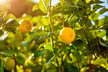
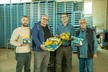
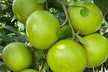
After three years of orchard establishment, Imbil-based grower Dave Moffatt is preparing for the 2026 yuzu season as trees reach commercial maturity. The previous season delivered moderate volumes and the development of market channels, although production remains labour-intensive.
Yuzu trees are characterised by dense thorns, requiring all pruning and harvesting to be done by hand. Mechanical harvesting is not used. "If you were to pick the hardest, toughest, most spiky citrus fruit to grow, it would be yuzu," Dave said. The fruit produces limited juice, and grading results typically see around 50 percent of output classified as second grade. "For one good yuzu that comes off the tree, there is one second-grade fruit to go with it."
Yuzu is used for its aromatic rind and its ability to retain acidity at high cooking temperatures. The fruit is associated with Japanese cuisine and is used in sauces, dressings, and preserves. In Australia, demand also comes from distillers and brewers. Dave supplies processors, distilleries, and foodservice providers, mainly in Sydney, the Sunshine Coast, and Noosa. "It's a short picking season, so I need a big market that can take it all at one time."
The Mary Valley orchard began with approximately 300 trees, with additional plantings added as early trees moved into higher-yielding phases. Harvesting takes place in several passes to select fruit at the correct maturity stage. "You probably go through three or four times." Fruit is packed on site into 10 kg cartons, with limited cold storage used to manage short-term supply.
Alongside yuzu, Dave has introduced other citrus lines, including sudachi and calamansi. Sudachi is used mainly as a flavouring citrus in Japanese cooking, while calamansi is supplied for fresh use and spirits. "People have this idea that citrus are oranges, limes, and lemons, but it's a field of so many different fruits."
Production is managed using biodynamic principles, with organic-approved sprays and no synthetic fertilisers. Nutrient inputs come from on-farm sources, including poultry manure, and irrigation is supplied via drip systems from a farm dam. Soil health management has been adjusted following extended wet conditions that increased root disease pressure. "You need fungus. It's part of the natural system."
Dave propagates trees through seed, cuttings, and air layering to reduce establishment time and maintain selected genetics. "You don't have to wait five years, and you've taken it off your best tree." The aim is long-term orchard viability across generations, with soil condition viewed as a key factor in sustained production.
Source: Noosa Today