In a context of abundant Egyptian onion production, which can sometimes be difficult to market at certain intervals during the season, diversification of supply and varietal development are key to supporting exports. This is according to Mostafa Medhat, managing director of Tut Produce.
 © Tut Produce
The grower explains, "Last season for red onions had its ups and downs. The market was overall healthy and stable, with circumstantial peaks in demand from certain markets such as Russia, Romania, Poland, the Netherlands, and Germany. However, we have noticed that demand is mainly boosted by temporary shortages, after which demand drops."
"Diversifying production to better meet market needs rather than filling gaps here and there seems to us to be the right strategy to adopt in this context. This diversification also involves varietal selection that goes hand in hand with better productivity and an emphasis on value," Medhat continues.
 © Tut Produce
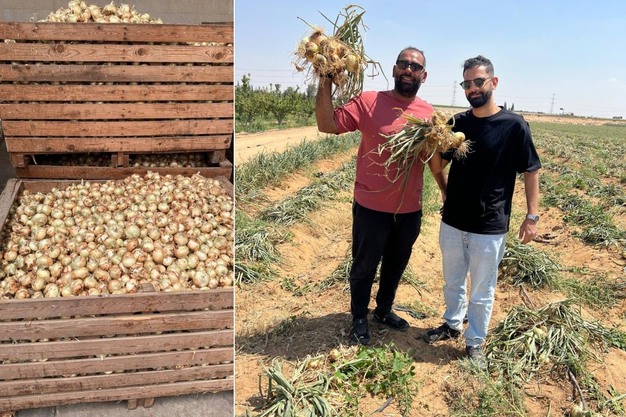
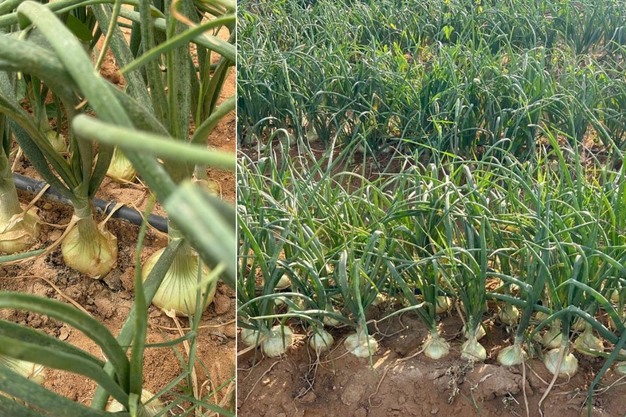
For its first trial, Tut Produce chose a variety of sweet onions rarely grown in Egypt but in high demand in Spain, according to Medhat. He continues, "We imported seeds from Spain and started a small trial for a volume of 80 tons. This is a hybrid sweet onion variety intended for the retail market. The trial was initially a great technical success, as this variety adapted well to the soil and climate in Egypt. The yield was about 20% higher than that of onions planted in Egypt. Commercially, we had no trouble selling the produce on the Spanish retail market and were very satisfied with the prices."
"To our knowledge, we are the only Egyptian producer to adopt this specific variety so far. Next season, we will expand the surface area to reach a volume of 600 tons of sweet onions, while continuing to produce traditional varieties of red and yellow onions," the producer concludes.
For more information:
Mostafa Medhat
Tut Produce
Tel: +201283335533
Email: [email protected]