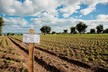
Bhutan's vegetable production reached 27,873 metric tons (MT) in 2024, reflecting stronger yields in chili and other key crops across major dzongkhags, according to the Integrated Agriculture and Livestock Census of Bhutan 2025. The agriculture sector continued to contribute to rural livelihoods and overall agricultural output.
The country produced approximately 27,873 MT of vegetables and 5,265 MT of spices. Paro, Wangdue, and Chhukha were the leading vegetable-producing dzongkhags. The total sown area for vegetables was about 4,935 hectares, with 4,583 hectares harvested. For spices, 6,360 hectares were sown, and 3,571 hectares harvested.
Bhutanese farmers cultivated a wide range of vegetables, including asparagus, broccoli, cabbage, cauliflower, chili, leafy greens, onions, eggplant, tomato, pumpkin, squash, gourds, cucumber, carrot, radish, turnip, peas, beetroot, and beans. Major spices included ginger, turmeric, garlic, cardamom, and coriander.
Chili was the highest-produced vegetable, reaching 5,596.4 MT and grown by 40,905 holdings. This represented an increase of 748 MT from 2023, with the harvested area expanding from 1,170 to 1,224 hectares, a 5 per cent year-on-year rise. However, the number of chili growers declined by 4 per cent, from 42,685 in 2023 to 40,905 in 2024.
Pumpkins, squash, and gourds followed with 4,682 MT, while turnips ranked third at 3,125 MT, cultivated across 415 hectares. Cabbage output fell by 458 MT to 2,305 MT, grown by 23,833 holdings on 506 hectares. In contrast, cauliflower production increased by 33 MT to 1,096 MT, grown by 15,535 holdings.
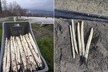
Approximately 35,635 farmers produced beans and broccoli, yielding 1,785 MT of beans, an increase of 252 MT, and 807 MT of broccoli, an increase of 125 MT. Other vegetable crops included carrots (1,829 MT), bulb onions (196 MT), tomatoes (183 MT), and asparagus (83 MT).
Among spices, ginger led with 3,386 MT, followed by cardamom at 1,122 MT. Cardamom production has declined from 2,175 MT in 2020 to 1,122 MT in 2024, due to a reduction in harvested area from 5,543 to 2,547 hectares over the same period. Despite this decline, 2024 recorded a modest 18 MT increase in production, with the number of growers rising from 14,032 to 15,308 households.
Of the 17 cardamom-producing dzongkhags, excluding Bumthang, Gasa, and Thimphu, Samtse recorded the highest production at 252 MT, followed by Dagana, Sarpang, and Tsirang.
Source: Kuensel