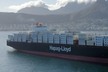
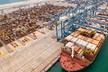
South Africa's apple and pear export industry reports losses of around US$54 million (R1 billion) in 2024 due to inefficiencies at the port of Cape Town. Industry representatives are calling for the urgent fast-tracking of the port's privatisation to protect export markets.
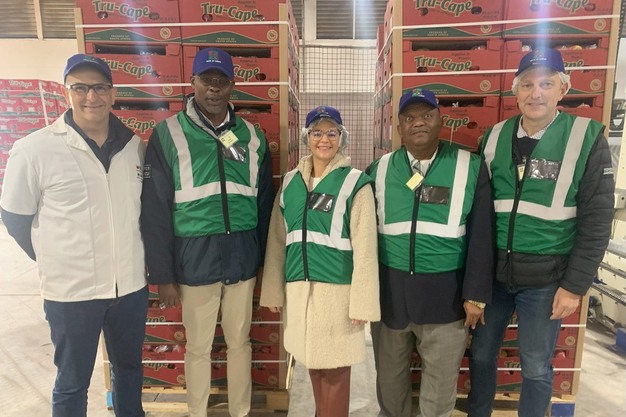
On August 11, 2025, the Western Cape Department of Mobility met with Two-a-Day and its logistics partner Link Supply Chain Management to discuss the logistical constraints affecting the fruit export sector. Stakeholders warned that missed shipments to Europe, the United Kingdom, or the Far East result in lost sales in programme-driven markets.
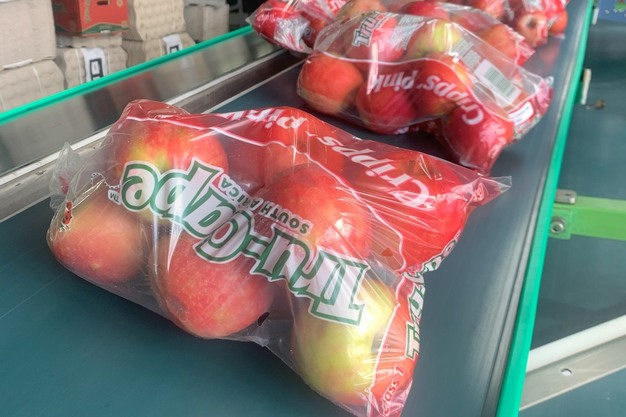 © True-Cape
"We work in a complex, time-sensitive value chain. If a vessel to Europe, the United Kingdom, or the Far East is missed, the sale is gone. You don't get a second chance to deliver on time in a programme-driven market," said Roelf Pienaar, managing director of Tru-Cape Fruit Marketing. "Logistics is the single biggest risk for us right now. If we can't get our product out, everything else, from on-farm innovation to market development, is compromised."
Two-a-Day's operations director, Chris Petzer, said port delays often force them to divert containers to Port Elizabeth at additional cost to maintain supply chain continuity. Link Supply Chain Management managing director, Chris Knoetze, noted that while crane productivity has improved, it remains below required levels to meet export demand. He said productivity needs to increase to at least 20 gross crane movements per hour (GCH), compared with 33 GCH reported in November 2012.
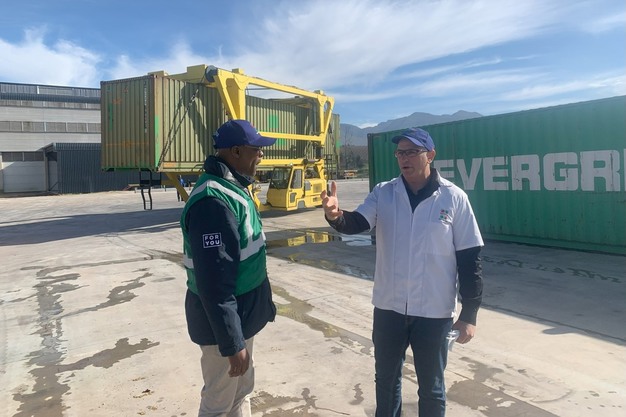 © True-Cape
"When port operations are disrupted, it impacts product quality, increases costs, and damages our credibility with overseas buyers," Knoetze said, adding that inefficiencies cost the Western Cape apple and pear industry an estimated US$54 million in 2024 through extra storage, trucking, plug-in costs, and missed market opportunities.
The Western Cape Department of Mobility's deputy director-general, Corrine Gallant, said measures are underway to address both landside and waterside inefficiencies, including the Logistics Development Project Management Unit and plans to restore rail services such as the Overberg line. "We are working on both the landside and waterside inefficiencies," she said. "We cannot afford more costs in the chain — our focus is on solutions that remove bottlenecks and protect jobs."
 © True-Cape
Industry representatives warned that continued delays risk shipping lines bypassing Cape Town, adding one to two weeks to fruit delivery times. Link Supply Chain Management director, Gerhard van Heerden, said, "Now we need the same urgency and commitment at the port, because without it, the entire value chain is at risk."
The session ended with agreement on the need for faster execution of port and rail projects, formal industry-government forums with direct access to decision-makers, and targeted short-, medium-, and long-term measures to address both immediate and systemic issues.
 © True-CapeFor more information:
Lucille Botha
Tru-Cape
Tel: +27 (0) 84 855 3496
Email: [email protected]
www.tru-cape.com