Arnold Schumann, professor at the University of Florida Institute of Food and Agricultural Sciences, presented an update on citrus under protective screen (CUPS) performance during a virtual event on August 7. The report included results from trials at the Citrus Research and Education Center (CREC) and from commercial CUPS operations in Florida.
According to Schumann, yield, fruit size, and packout are the primary contributors to higher net revenue, while rind defects negatively impact marketability. He stated that CUPS prevents huanglongbing (HLB), citrus canker, and hurricane damage. The system produces earlier and higher yields than conventional groves and maintains fruit quality similar to pre-HLB Florida citrus. CUPS also accelerates tree growth, saving input resources and production costs.
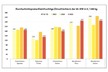
The internal rate of return for the CREC CUPS was estimated between 9% and 16% over 10 years, with HLB incidence remaining below 2% during that period. Schumann reported that a January 2022 harvest of Ray Ruby grapefruit at CREC achieved a 98% packout, generating a net return of US$24 per field box. Approximately 85.5% of the fruit fell into the preferred 40/36/32/27 size categories. Over 10 years, CREC's Ruby Red grapefruit yielded 9,308 boxes per acre.
While the presentation focused on grapefruit, Schumann noted that other varieties are also grown in CUPS, including Valencia, Murcott, Dancy, Early Pride, Temple, Mineola, and Sugar Belle. Valencia, the most common citrus variety in Florida, is not expected to match grapefruit yields but is considered versatile for both juice and fresh fruit markets.
The presentation, hosted by Southwest Florida multi-county citrus Extension agent Mongi Zekri, was titled "Breaking the HLB Cycle: CUPS as a Practical Solution for Sustainable Citrus Production."
Source: Citrus Industry