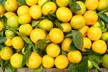
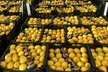
The emergence of orange concentrate factories in Egypt this year has significantly disrupted the supply of fresh oranges available for export, a situation that has penalized exporters and the local market, yet benefited growers, according to Amgad Nessem, export manager at El Teriak Farms.
Nessem states: "Small-scale farmers who previously sold their produce on the local market are now selling to factories. The shortage of supply in the local market, combined with increased demand from concentrate factories, has led to a rise in local orange prices, which have doubled compared to last season in just a few days. This has caused a dramatic increase in prices in wholesale markets."
"On the export market too, during a long part of the season, factories remove a significant part of the production that could have been exported, particularly oranges that are not uniformly standardized (category B/C). This has created competition for supply between factories and exporters," Nessem adds.
It was the growers who benefited from this situation, as Nessem explains: "This new market configuration created a constant demand for lower-quality oranges, making it easier to sell quantities that were previously unsellable. Farmers often preferred to sell their produce to concentrate factories because of the higher prices offered, which helped mitigate the risks associated with exporting."
According to Nessem, "among export markets, the European market is the most affected by supply disruptions of Egyptian oranges, with falling volumes and soaring prices." Curiously, the Gulf market, where prices for Egyptian oranges are lower, does not appear to have been affected, according to the exporter. He explains: "Companies exporting fresh oranges to Saudi Arabia have always been facing difficulties, including losses due to sales on commission and price pressures. However, this market remains stable. The absence of strict market standards has led the Gulf market to become a destination for crops that do not meet export standards in Europe, particularly those with pesticide residue issues. Even if many exporters suffer losses each season when exporting to the Gulf under the commission system, trade will not stop and will withstand supply disruptions."
"We are in constant communication with our customers to find ways to mitigate this new situation. We invite buyers who have been affected to come and talk to us at the upcoming Asia Fruit Logistica in Hong Kong or Fruit Attraction in Madrid," Nessem concludes.
For more information:
Amgad Nessem
El Teriak Farms
Tel: +201 207 976 920
Email: [email protected]
www.elteriakfarms.com