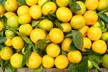
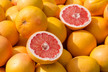
Redland Fruit has quickly established itself as a provider of premium Australian produce and is now stepping firmly onto the international stage with a simple promise: Beautiful fruit, from our farm to your fruit bowl.
With over 1,500 hectares under its management across Queensland, New South Wales, and Victoria, Redland is one of Australia's largest vertically integrated citrus growers. Every piece of fruit is produced on Redland-owned orchards and shipped with the trademark Redland label, giving customers clear traceability and a single point of accountability from orchard to plate.
"Because we own the entire supply chain, we can make commitments with confidence," says Jordan Bain, Head of Sales Operations. "That control is at the heart of the Redland brand: consistent quality, reliable volumes and genuine relationships with our partners."
 © Redland
National orchard footprint enables season-long supply
Redland's multi-state orchard base enables an extended picking window. The company has orchards in Emerald, QLD (374 ha): Early-season soft citrus; first commercial volumes begin next season. Hilston, NSW (540 ha): Largest site, supporting mid-season volumes with a broad varietal mix. Mildura, VIC (343 ha): Mid to late-season continuity. Swan Hill, VIC (265 ha): Strategic late-season coverage plus storage capability.
The season can now extend to January, with controlled-atmosphere technology adapted from Redland's successful apple program helping extend premium citrus availability by 8–12 weeks while protecting internal eating quality.
Orchard practices focused on quality and sustainability
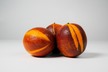
This season's dry conditions have improved internal sugar levels, although warmer nights slowed external colouring. "We rely on cool 5–10°C evenings to bring the blush," says Bain. "Despite the delay, the eating quality this year is the best we've seen in five seasons."
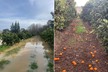
Redland hand-prunes every tree and has installed extensive overhead netting across orchards. This approach reduces wind rub and sunburn, curbs water use, and improves pack-out. It also supports Redland's sustainability goals as growers manage increasing pressure on input use and environmental performance. "Water is precious here," Bain adds. "Using less of it, while protecting fruit, aligns perfectly with what premium retailers in Asia expect."
 © Redland
Tailored for Asia – one size doesn't fit all
Demand across Asia is strong. To date, Redland sees China favouring larger-sized fruit, while Japan reliably absorbs the smaller sizes, creating an efficient size segmentation across the region. South Korea's momentum has softened slightly after last year's importing season, but volumes are rebuilding as retailers look to replenish shelf confidence in Australian produce.
All exports leave Australia in two easily recognisable Redland-branded cartons: Beautiful Fruit: Redland's Class 1 grade is designed for premium retail programs, and Really Good Fruit: Redland's Composite grade is designed for wholesale & value-add channels.
"Customers everywhere, especially in Asia, appreciate clarity," Bain says. "They know exactly what's in each box, and the branding is friendly without compromising the professionalism that importers expect."
A pipeline for future growth
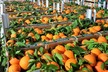
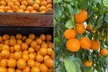
Redland's varietal mix spans Navel oranges, Cara Cara, Seedless Lemons, Afourer, Daisy, Royal Honey Murcott and the proprietary Mojo™ Mandarin. With thousands of young trees maturing, citrus volumes are projected to increase from ~23,000 tonnes in 2025 to over 94,000 tonnes by 2030.
"We are a growth story," Bain says. "Partners who come on board now are securing long-term access to premium Australian citrus."
Redland offers end-to-end control of orchards and packing, ensuring volume, quality, and consistency. Sustainable practices include overhead netting and precision irrigation. Dedicated in-market support to translate product quality into retail performance. Joint business planning with a focus on long-term category growth.
For more information:
Jordan Bain
Redland Fruit
[email protected]