Mexico is the only country in the world that produces avocados all year round. It can do so thanks to a combination of natural factors, such as different altitudes, soil structure, and weather conditions that allow the avocado tree (Persea americana) to bloom up to four times a year, especially in regions like Michoacán.
Mexico's cultivation system is based on staggered harvest cycles, which means that the work in the field is more evenly distributed over the year. This dynamic reduces dependence on prolonged storage and allows for stable export logistics. In addition, the sector adapts its agronomic practices to the specific characteristics of each region.
 © APEAMAC
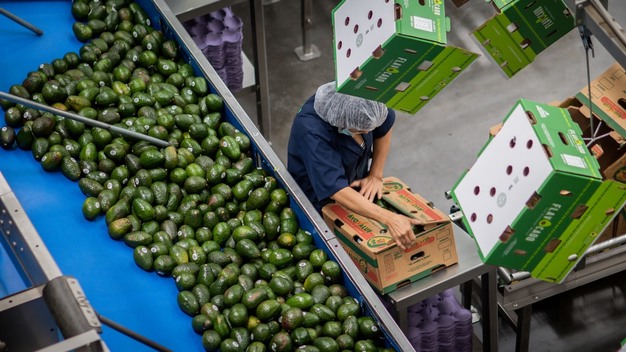
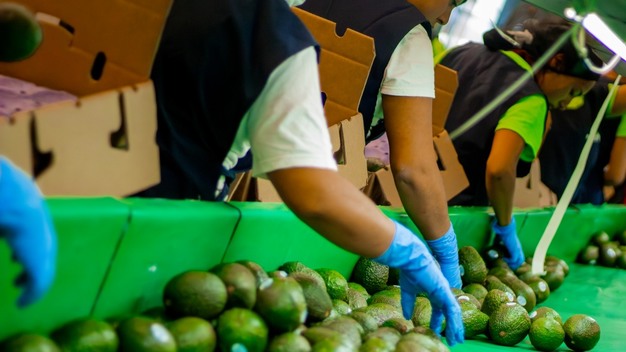
APEAM (Mexico's Association of Avocado Producers and Exporters) and MHAIA (Mexican Hass Avocado Importers Association) have developed an operational structure focused on traceability, phytosanitary control, and compliance with international safety standards. These checks start in the field and continue until export, according to fixed protocols and supported by modern monitoring technology.
Both organizations also promote "The Road to Sustainability," a strategy they recently presented at the Conexión Aguacate event. This strategy focuses on responsible cultivation, protection of natural resources, and resilience to climate change.
 © APEAMAC
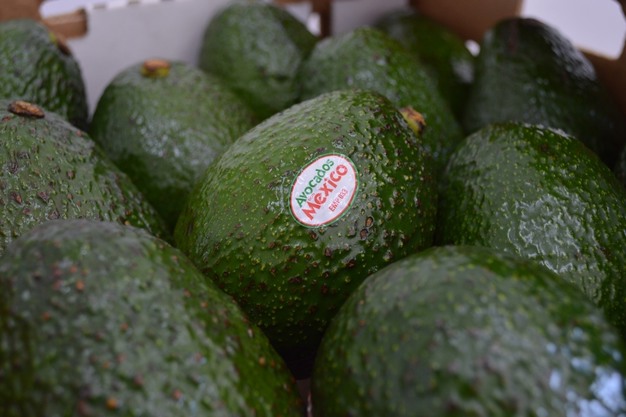
This includes reforesting with native species in cultivation areas, restoring the ecosystem, and maintaining local biodiversity; systematic crop monitoring to detect pests and diseases, according to certified guidelines; and technical training for growers, with a focus on efficient water use, soil health, and sensible use of inputs.
 © APEAMAC
These measures are part of a comprehensive approach that seeks to ensure the technical viability of the production system in the face of climatic, regulatory, and commercial pressures. Thus, uninterrupted production is the result of a well-thought-out system that articulates natural factors, knowledge of the crop, territorial planning, and specialized logistics.
In addition, the sector is currently developing a project focused on environmental sustainability and operational efficiency.
For more information:
APEAMAC
www.apeamac.com