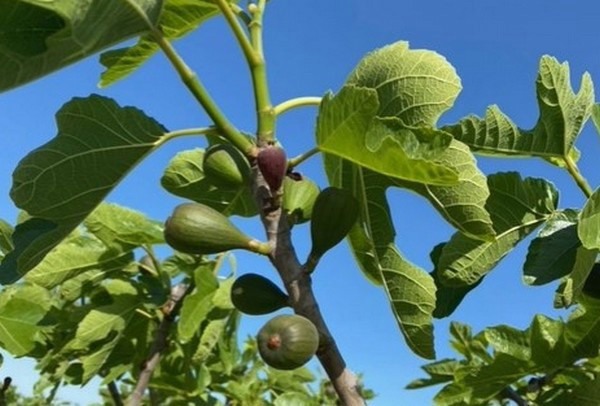
All signs are pointing towards a good spring Breba fig crop from California. "The first crop of Black Mission figs should start probably in the first week of June and run hopefully throughout June, weather permitting," says Erik Herman of The Specialty Crop Co.
 © Specialty Crop Co.
Following that, the main crop of Brown Turkey figs should begin in mid-July with green figs about a week or two after that. Then, the second crop of Black Mission figs will start around July 25. "Everything looks really good. The weather has been good and we've had good rainfall in California," says Herman, adding that while the crop looks similar in size to last year, younger plantings are coming on and could produce fruit later into the season to help extend the crop.
Emerald fig distribution
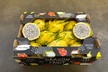
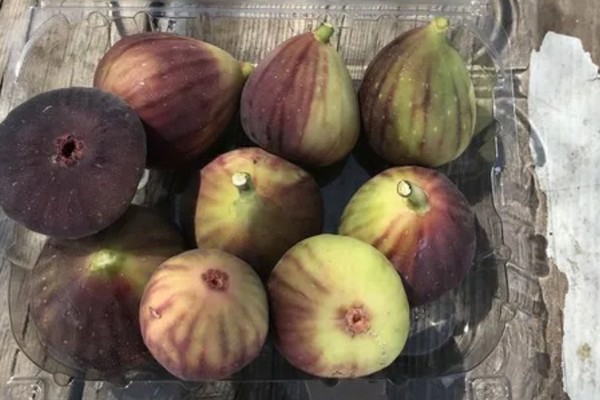
In addition, there is also the Emerald fig which The Specialty Crop planted last year and should see good production for distribution this year. "Customers are excited about this–it's a really big, yellow-green fig, kind of like a Calimyrna fig, but it's self-pollinating," says Herman. "We're excited for the upcoming season of these."
 © Specialty Crop Co.
This timing is closer to a historical average start, though it is slightly earlier than last year's start.
As for demand, he anticipates it to be good for the crop with much of it distributed domestically while some is exported to Canada. "People are excited about figs and customers are asking and ready for them," he says. Meanwhile, pricing is expected to be slightly higher than last year thanks to increased input costs on labor, electricity, fertilizers, and potential increases related to tariffs.
 For more information:
Erik Herman
The Specialty Crop Co.
Tel: +1 (559) 661-8253
[email protected]
https://www.speccrop.com