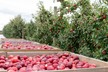
Michigan's cherry sector is experiencing heightened vulnerability, with tariffs under the Trump administration adding complexity for producers. According to Michigan State University (MSU) specialists, a 10% tariff on imports might offer a limited competitive advantage to the industry.
Conversely, these tariffs could exacerbate input costs, impacting pesticides, equipment, and fertilizers, thus affecting numerous farms negatively. An MSU report highlights that a 10% rise in labor costs for specialty crops in Michigan might result in over 1,600 job losses. The report also warns of a "domino effect" if any crop suffers production setbacks, affecting farms that share resources across multiple crops.
In 2022, Michigan produced 180 million pounds of tart cherries, valued at $36.5 million, accounting for approximately 75% of national production, as per the U.S. Department of Agriculture. Severe weather in 2024 posed further challenges, testing farmers' resilience.
International demand has been a revenue source, with Michigan's agricultural exports rising 11% to $2.9 billion since 2023, as reported by the state Department of Agriculture and Rural Development. However, state officials express concerns over retaliatory tariffs impacting Michigan's competitiveness globally.
Tariffs may offer some competitive edge against major exporters like Turkey, according to Chris Bardenhagen, a farm business management educator at MSU. Despite this, Bardenhagen notes that Turkey exports cherry juice below Michigan's production cost, maintaining price competitiveness.
MSU agricultural economics expert David Ortega emphasizes the sector's vulnerability to increased costs for imported fertilizers and equipment. Ortega notes the difficulty in planning and investment decisions amidst such unpredictability.
Farmers like Mike Deruiter from Deruiter Farms report a 40% decline in cherry value since 2015, due to trade policies, weather, and labor costs. Deruiter describes the tariffs as "short-term pain, long-term gain," expressing cautious optimism.
Sentiment on tariffs varies among farmers. Don Gallagher, an Elmwood Township farmer, criticized trade policies, citing ongoing negative impacts from 2018 tariffs. Gallagher stresses the importance of pricing, with weather being a critical factor in the 2024 season's outcomes.
Deruiter and Gallagher hope for legislative relief, such as freezing H-2A migrant worker wages, crucial for Michigan cherry packers. New product development is also anticipated to boost demand, with campaigns underway.
Source: City Pulse