Pending a final damage assessment, it is estimated that the hail storm that hit the Spanish province of Lleida last week has affected more than 40,000 hectares of cultivated land.
"The damage in the whole area where hail fell, which is quite intensively used for agriculture, ranges between 60% and 100%. Stone and pome fruit are the most affected crops, but there is also a significant area of almond trees, olive trees, and winter cereals," says Pere Roqué, president of Asaja Lleida and a producer affected by the heavy hailstorm.
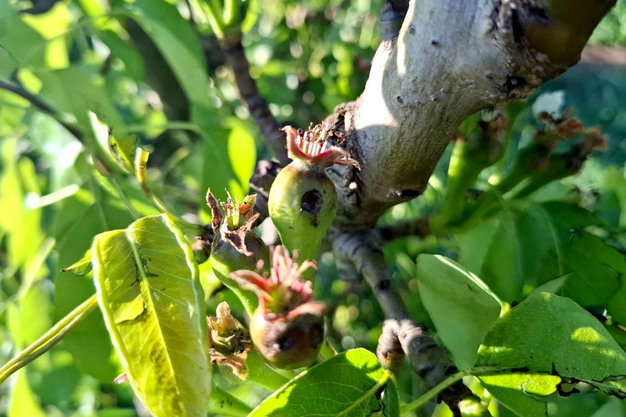 © Pere Roqué
"In fact, I believe that about 50% of the area affected, or even more, is devoted to sweet fruit, including pears, apples, peaches, nectarines, apricots and flat peaches, and this has happened at a time when the fruit had just come out of the flowering phase and was already growing. Thus, the hail has unfortunately fallen at the worst possible time."
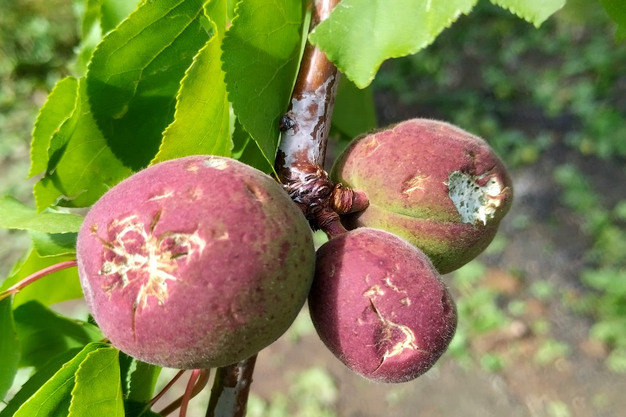 © Pere Roqué
"On the one hand, 95% of the anti-hail nets were not in place yet. Netting systems can bring the temperature of the farms even further down, which is why they are traditionally unrolled after Sant Jordi - April 23-24 onwards - when the risk of frost is already considered to be very low; and of the few that were already in place, some netting systems have even yielded to the weight of the hail," says Pere, who estimates the losses in his own pear and apple orchards at around 60-65%. "Besides, with the modification of Agroseguro's insurance for sweet fruit trees, many of the plots only had 50% of the fruit insured, and at the end of April, when the risk of frost would have passed, coverage could have been extended to the other 50%."
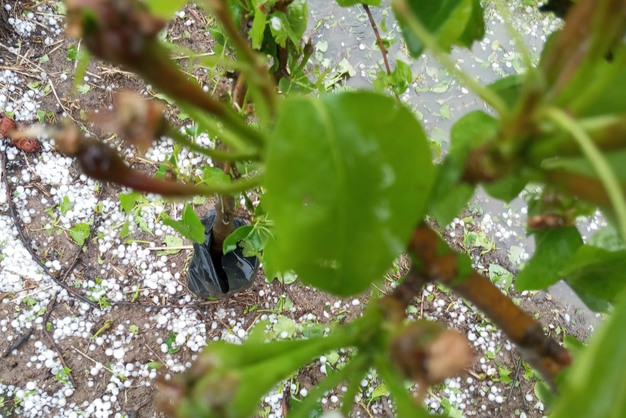 © Pere Roqué
It is worth recalling how much the Catalan sweet fruit sector relies on agricultural insurance. According to figures shared by Agroseguro, 92% of last season's fruit production was insured, with almost 400 million euros of insured capital, mainly in peaches, pears, and apples.
"We have no doubt about the importance of agricultural insurance for the sweet fruit sector, which in Lleida accounts for 9% of the GDP, and on which around twenty subsectors depend. Agroseguro is the solution; it should not become the problem by changing the regulations half way through the campaign, and that is why we must look for a way out of this situation together with the Spanish Ministry of Agriculture and the Department of Agriculture of the Catalan Government, because we hadn't seen a hail storm like this at this time of the year for at least 40 years."
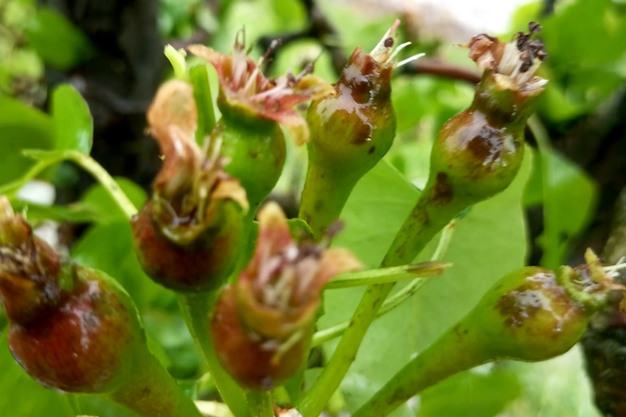 © Pere Roqué
While assessments are made and administrative measures are arranged in accordance with the extent of the damage, affected growers in Lleida, some areas of Tarragona, and Terres de l'Ebre are rushing to apply phytosanitary treatments to avoid fungal problems in the fruit and to save as much of the crop as possible. "The situation right now is dramatic. We must bear in mind that it's not just producers who are affected; fruit generates around 25,000-30,000 jobs every season in the fields and the handling and processing plants, and this hail is going to put them at risk."
For more information:
Asaja Lleida
www.asaja.com