The Moroccan mandarin season is halfway through. The campaign has been eventful, marked by production difficulties and fierce competition between Moroccan Nadorcott and Egyptian Murcott. Salma Keroua, Executive Director of Cap Growers, reports on the campaign.
The exporter says, "The harvest is nearing an end and we'll finish picking the last rootstocks around March 7 or 8, before moving on to storage. There will certainly be fewer mandarin volumes until stocks run out at the end of April."
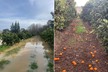
"In terms of production, we are still experiencing difficulties due to drought and the need to uproot fruit in order to save others. But the situation has improved this season, with an increase in surface areas compared with last season in several regions, such as Gharb, Marrakech, Berkane, and Beni Mellal", Keroua continues.
The export campaign has been slow at times this year, while Egyptian mandarins have reached the European market at unbeatable prices. Keroua comments: "Moroccan mandarins were perceived as too expensive in Europe. This is directly attributable to the decline in purchasing power there. In Morocco, however, there are objective imperatives, such as higher production costs than in Egypt, and the fact that uprooting fruits is part of the cost equation. The price difference is also justified by better quality and longer shelf life."
"Despite the competition, we benefited from a window where there weren't many mandarins on the market. There were big export movements at the beginning of the season when Spanish importers were relying on Moroccan Nadorcott and Afourer for their programs. There was also strong demand from Russia and North America," Keroua adds.
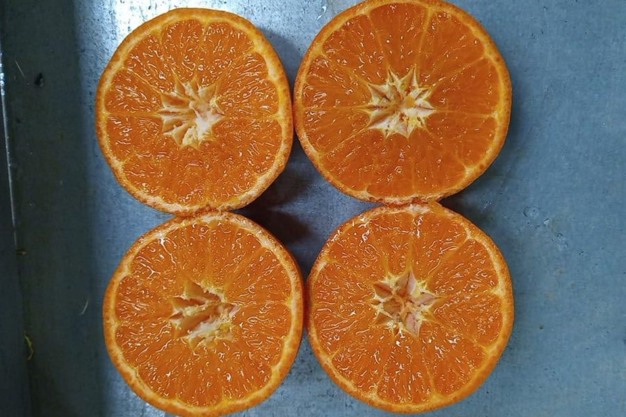
Improved production, in the face of demand impacted by Egyptian competition, has prompted Moroccan producers to seek ways of stimulating local market demand. In February, an association representing growers launched a poster campaign to promote the Nadorcott variety. Kerouac says, "Nadorcott is a consistent fruit in terms of quality, and preferred by growers. But on the local market, Moroccans generally prefer clementines. Boosting the local demand to improve prices is a good idea."
For the rest of the export season, we can expect even higher prices for Moroccan mandarins, whose volumes are beginning to run out, concludes Kerouac.
For more information:
Salma Keroua
Cap Growers
Tel: +212661415820
Email: [email protected]