This year, many European crops, including mushrooms, suffered from drought and heat. Mushrooms thrive under humid conditions. "Climate change is the biggest challenge in the wild mushroom business, and its impact will only increase in the coming years," begins Corné Verboom of Funghi Funghi.
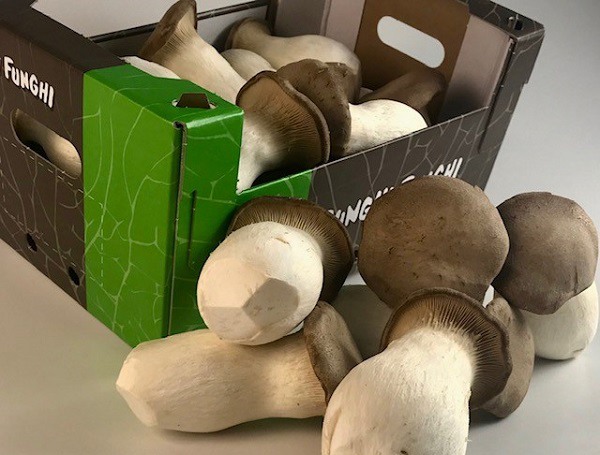
Funghi Funghi is a Belgian mushroom wholesaler that trades some 70 different mushroom varieties. Its assortment includes common and unique types, focusing particularly on wild and exotically grown mushrooms. The company thus works with a group of producers. "Food service is our most important sales channel. Our products have always mostly been used in the hospitality sector. But recently, we've begun focusing on retail too. The pandemic required a spread, and the retail demand also noticeably increased."
Increasingly more wild mushrooms in Dutch supermarkets
Corné says there is still, however, much ground to cover in Dutch supermarkets. Especially compared to stores in, say, Scandinavia and Germany. Still, exotic mushrooms are gaining a foothold in the Netherlands. "Consumers are increasingly open to new products; they want to experiment. Plus, eating patterns are changing, which benefits our products. More and more people's diets are plant-based, so they're eating less meat. And the popularity of Asian cuisine, which uses plenty of mushrooms, is also definitely contributing to the growth," he says.
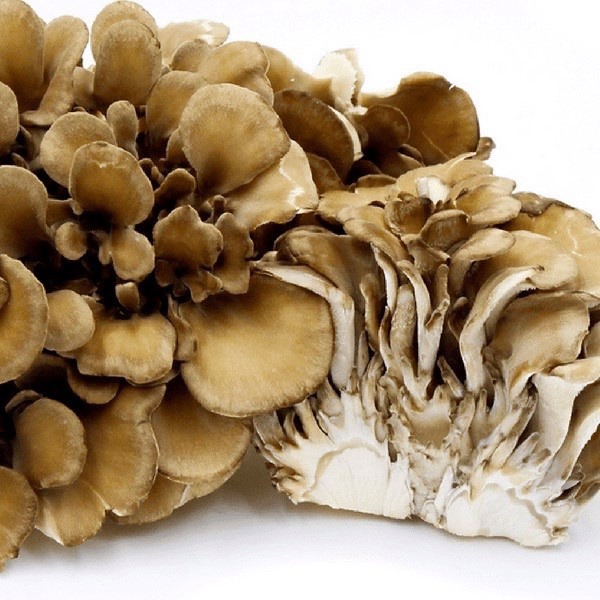
Maitake
"Dutch supermarkets' mushroom ranges are still fairly standard. Think oyster, portobello, and chanterelle mushrooms. It takes time, but there's definite expansion. Varieties like Eryngii - King oyster mushroom - and maitake are gaining popularity. The trends we see in our hospitality industry outlets eventually reach retailers. We've gained knowledge abroad, which we can apply to other countries. We gladly share that know-how with our customers to further grow the mushroom market. Every week, we tell them about the mushroom varieties we expect, the availability and quality of wild mushrooms, weather conditions, and so on. We also inspire them with things like menu suggestions."
Quiet wild mushroom season expected
Funghi Funghi specializes in wild mushrooms: a niche that brings challenges. "We currently get most of our wild mushrooms from Lithuania and Sweden," Corné explains. "You need moist conditions for good production. That makes it difficult this year, given the heat and drought in most of Europe. We expect less volume across the board. That makes it harder to estimate availability. For now, there's much less Black Trump and Girolle. If conditions remain as is, it will be a quieter year. But abundant rain could change everything."
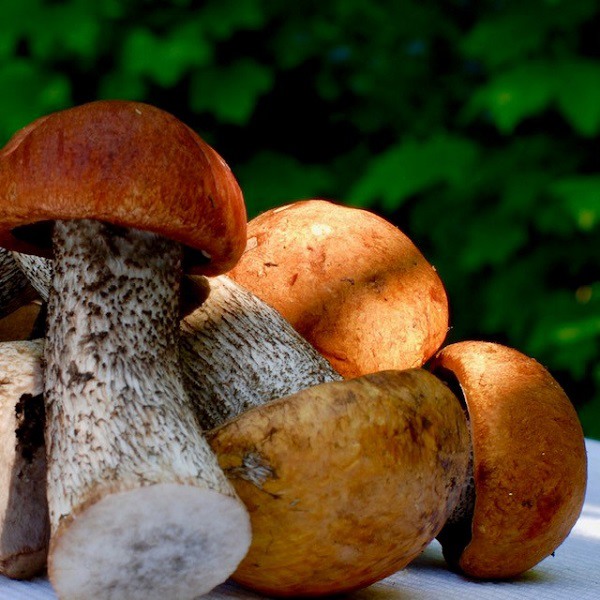
Birsh bolete
Climate change is hugely impacting the wild mushroom trade. That is why Funghi Funghi tries to push for cultivated specialty mushrooms whenever possible. "But, it's precisely that trade in wild mushrooms that distinguishes us. These are decidedly special products with distinctive flavors, for which there are no true alternatives," Corné concludes.
Corne Verboom
[email protected]
Funghi Funghi
+32(0)33037380
[email protected]
www.funghifunghi.com