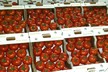
California’s summer crops like tomatoes and onions have been heavily impacted by a lack of rain and snow in central California and restricted water supplies from the Colorado River in the southernmost part of the state. Now, leafy greens grown in the winter are under threat as well. This of course has added pressure to grocery prices. California's drought conditions, on top of Hurricane Ian ravaging citrus and tomato crops in Florida, are likely to push food costs up.
Don Cameron, President of the California State Board of Food and Agriculture: "There's just not enough water to grow everything that we normally grow.”
The most recent drought in California began in 2020, worsening when California's Central Valley faced its driest January and February in recorded history. Snowpack, supplying surface water for much of the Central Valley, reached just 38% of its historic average by April, according to the Sierra Nevada Conservancy, a state agency focused on conservation efforts.
California produces about 30% of the world's processing tomatoes, but in August the USDA cut its 2022 forecast to 10.5 million tons, down 10% from its 12.2 million ton estimate earlier in the year. Because of the shortfall, farmers this year negotiated higher prices for tomatoes, as well as onions and garlic used for spices in countless boxed meals and other grocery store staples.
Source: reuters.com
Photo source: Dreamstime.com