Although the ban on avocado exports from Kenya is not expected to have a huge impact leading exporters say they have had to let avocados hang longer than needed on trees, leading to some of the fruit rotting. To salvage the situation Kenyan growers will most likely have to sell avocados and substantially lower prices on the local market to recoup some losses.
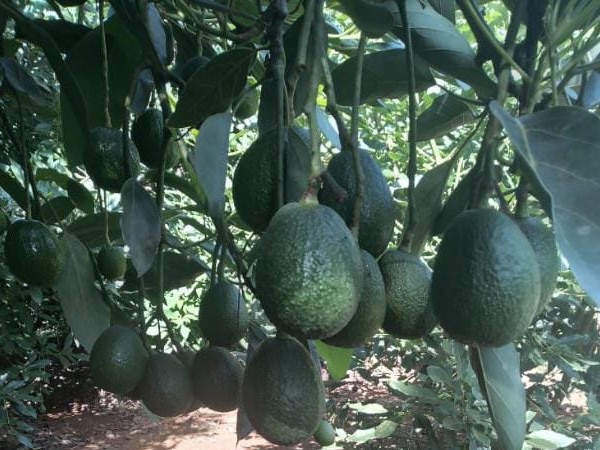
According to Priscilla King’ang’I, MD of grower and exporter Kenyafresh, the ban affects off-season fruits carried over from last season, which will be over mature at the beginning of the new season.
"The current shortage of airfreight capacity in the country, the fruits may rot at the farm forcing us to dispose to the local market at low prices. Any attempt to export over mature fruit at the beginning of the season may lead to losses due to ripening before it reaches the market, considering it takes an average of 30 days to reach the export markets.”
“The ban may have a slight effect on the volume due to the loss of the off-season fruit that will end up in the local market. We hope it shall be compensated by a higher market price due to more mature fruit and bigger sizes for the customers,” she said.
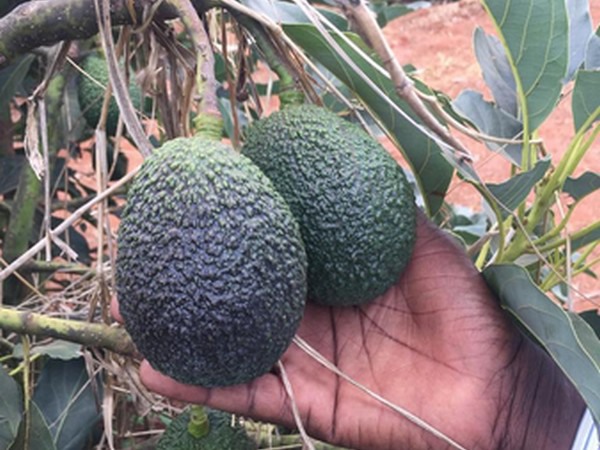
King’ang’I says the regulator indicated they will review the situation and will lift the ban from anytime in mid-February to early March. “As producers the impact is minimal since our crop is coming into season in the third week of February and mid-March for Fuerte and Hass avo’s respectively. The authority has promised to review the ban by mid- February and we hope after the review we shall be allowed to ship by around 20 Feb. This will enable us to serve our early season programs.”
She said the ban is a deliberate quality control measure by the competent industry regulator. "Avocado is a major forex earner for Kenya and as a country it’s important to protect our product and brand in the international markets. We do have a sizable production coming from the small-scale farmers who need to be guided on when to start and end the season for both quality aspect and safeguard loss of revenue due to immature fruit. This compared to large scale and medium scale farmers who are exporters themselves or have production contracts with established export companies like ourselves where maturity are closely monitored by our qualified and experienced technical team,” explained King’ang’I.
"The bulk of Kenyafresh customers are in the UK and continental Europe, and the Far East, it would be hard to divert all the fruits to other markets without incurring huge losses due to price and margin differences. It also takes time to vet and effect supply programs from other regions in the different markets where we are not well established. However, we are seeking other upcoming markets in the Middle East and some African countries like Egypt and Morocco.”
“Airfreight is a more expensive option, which make our fruit less competitive compared to other supplying countries. Beside this the Jumbo variety has a very limited market, which is mainly to the Middle East. The effect of the ban would only be evaluated based on how long it takes to be lifted into the season,” explains King’ang’I.
The current hot season experienced especially on the lower zones have an effect on fast maturity as the dry matter increases with an increase of heat units. "If the ban continues for much longer, it will lead to fruit maturing and no sales to the export markets. Fast dry matter increment has the effect of a higher percentage of small fruits that gather low prices in the market later in the year,” warned King’ang’I.
For more information:
Priscilla King’ang’I
Kenyafresh
Tel: +254 720 855 427
Email: [email protected]
https://kenyafresh.co.ke