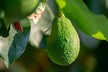
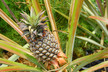
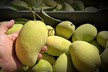
Although it is still considered a niche product in Europe, there is a growing interest for fresh exotic tropical fruits in the Old Continent. Thus, making their benefits known is crucial to increase their demand.
According to a recent report from the Center for the Promotion of Imports of Developing Countries - CBI, this list of products with potential include lychee, passion fruit, pitahaya, star fruit, tamarind, and anacarado. "These fruits are considered exotic in European countries, in the sense that they are not produced in Europe and their consumption volumes are limited, turning them into niche products," the report states.
The entity emphasizes that all samples of these fruits that are intended to be sent to Europe must be intact, clean, practically free of pesticides, with a fresh appearance, and free of external moisture, strange smells, and tastes.
Gradual increase
The CBI document indicates that in 2017 European buyers imported 40 thousand tons of tropical exotic fruit from outside Europe and almost exclusively from developing countries. Since 2012, the import of these foods has shown an upward trend and in fact reached a value of 122 million euro in 2017.
There are three main import markets: the Netherlands, France, and Belgium, which together accounted for 86% of these acquisitions. From this group, the Netherlands has become a recognized re-exporter of exotic fruits, with Germany and France as its main destinations. These markets show the greatest demands for lychee, passion fruit, pitahaya, and star fruit. This demonstrates that most of this fruit can be better placed in the northern European markets.
The entity also notes that the possibility of the organic market, which is gaining more interest even in this exotic fruit niche, should not be ignored, as it can lead to significant profits. In fact, there already are specialized importers in this line.
Finally, the CBI stated that the competition in tropical fruit production was intense for some of the most exotic varieties, such as yellow pitahaya and passion fruit, which might not find a very large market.
Source: agraria.pe