An observational study has shown an association between eating vegetable nitrates, found in green leafy vegetables and beets, and a lower risk of developing an early stage of age-related macular degeneration (AMD), the leading cause of permanent vision loss among Americans ages 60 and older. The results were published online by the Journal of the Academy of Nutrition and Dietetics.
Researchers studied the eating habits of more than 2,000 adults ages 49 and older over a 15-year period and compared them with diagnoses of AMD among the group. They found that people who ate 100 to 142 milligrams (mg) of vegetable nitrates each day had a 35% lower risk of developing early AMD than people who ate less than 69 mg of vegetable nitrates daily.
There was no extra benefit for those who consumed more than 142 mg daily. The findings also did not show a lower AMD risk from eating nitrates found in other foods, like fruit, dairy products, beef, and poultry.
Nitrates are the precursors to nitric oxide in the body, and nitric oxide is released by cells that line blood vessels. In the eye, this helps increase blood flow to the retina and could minimize the risk of AMD.
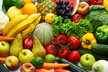
While there is no cure for the disease, the researchers believe older adults could possibly protect against AMD by adding more of the right vegetables to their diet. Two of the top nitrate sources are spinach and beets. Other nitrate-rich vegetables include lettuce, collard greens, celery and cabbage.
Source: health.harvard.edu