According to Yobe State Commissioner for Agriculture, Mustapha Gajerima, the anticipated bumper vegetable harvest from the state will make vegetables more available and affordable in Nigerian markets.
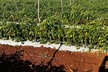
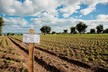
Gajerima said that the state recorded increased irrigation farming of onions, pepper and tomatoes this season.
Gajerima said: “This season looks very different and promising right from the flowering to the yields, there are indications of very good harvests.
“The other advantage we have this season, is that many people have engaged in irrigation farming, starting with vegetables after which they will go into crop cultivation.
“I have personally cultivated 11 hectares of onions, pepper and tomatoes here in Dayama, which also provides training programme to youth with interest in farming.
“Some national legislators, members of the state assembly, my colleagues in the state executive council and elites have also engaged in irrigation farming to promote food security, job creation and revenue generation.”
He said: “We will commence harvest of the vegetables this week. We are expecting two more harvests after which we will cultivate rice and wheat on the same farm under the irrigation scheme.”
He promised that government will encourage farmers with inputs to irrigate the basins along the 765 km Yobe river.
Gajerima noted: “Irrigation farming looks more promising here in the state, we will make good use of the available resources to ensure food security and diversify the economy.”
Source: today.ng