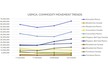
Exports such as kiwifruits and apples are challenging the supremacy of New Zealand lamb. The generation of newer exports out of New Zealand come under the umbrella of “Horticulture”, and this new breed of soft commodity exports has seen volumes surge over recent years, even as more traditional mainstays such as dairy and meat volumes have lost ground or flat lined.
“Horticulture has been a standout performer with exports surging higher over recent years. Annual horticulture exports are now nudging $5b. They account for 10% of NZ’s total merchandise exports. The sector is now well on its way to achieving its target, set back in 2010, of $10b exports by 2020,” said BNZ bank’s Doug Steel.
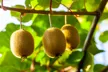
Kiwifruit has seen an exceptional increase in export volume in recent years.
Export volumes have doubled since 2013, including a 41% increase in the year to June 2016 alone.
Rises are expected to continue as a premium priced new variety called Sungold (G3) comes online.
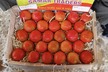
Apple exports have ‘blossomed’ by 23% from a year earlier in June 2016, as a result of more trees being planted and more premium priced varieties.
Impact on Kiwi
The strong growth in alternative commodity exports is a positive sign for the New Zealand dollar going forward and indicates continued robust flows generated by the export side of the economy.
This should support the already strong inflows enjoyed by New Zealand bonds because of their relatively high yield compared to most other G10 bonds, as many countries, including Japan and Germany for example, now have negative bond yields, and many further have very low yields.
Even with many analysts suggesting a high probability of further interest rate cuts from the Reserve Bank of New Zealand in the near future weighing on the outlook for its sovereign bond yields, they are still likely to be substantially higher than comparable yields amongst most other AAA or AA rated G10 peers.