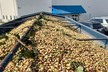
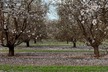
Eating dates is a traditional way for Muslims to break the evening fast during the holy month of Ramadan. But this year, they have been in short supply, as the holy month did not coincide with the date-harvest season in Fall, according to Dennis Jensen, president of Sea View Packing.
The company has 170 acres of medjool date farms in Riverside County but ran out of dates in May. Other growers, like Doug Adair of Pato's Dream Date Gardens told KPCC their small family run farm ran out even earlier—in March.
Dates are always harvested in September. Ramadan, on the other hand, changes. It's based on the Islamic lunar calendar, which means it moves around ten days earlier each passing year.
The company doesn't just sell those dates in Southern California — they also have customers in Indonesia, Malaysia, Singapore, Dubai, Morocco, and France.
Sea View packs, ships, and sells over a million pounds of medjool dates annually, Jensen said. And they've all been sold at this point.
"We don’t have a focus right now on sales, that’s for sure," Jensen said, laughing. "We don’t have anything to sell."
Supply and demand aren't the only challenges to date growing in the Coachella Valley. The drought isn't helping things, either. In the desert, Jensen tries to compensate for the lack of rainwater by using drip irrigation systems with water originating from the Colorado River.
Jensen will start checking on this year's crop for quantity and ripeness in August. After he harvests them in September, many will go into a freezer to preserve ripeness until they are sold.
Source: scpr.org