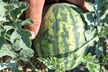
University of Georgia Cooperative Extension vegetable horticulturist, Tim Coolong, estimates that at least 400 acres of watermelons in south Georgia were damaged as a result of a hailstorm that hit on Tuesday 3rd May.
"The damage was hit or miss, with some growers being severely impacted, while others a few miles away saw just some high winds," said Coolong. "To have some fields completely wiped out at this stage in the growing season could be devastating."
For some growers, having undeveloped fruit was beneficial because heavy fruit sets would have been damaged. When the fruit is damaged, often it will continue to grow. However, the fruit will ultimately be unmarketable, so it will have to be removed from the plant to prevent draining resources. In a more moderate case, the hail will only put holes into the watermelon plant leaves. Because the damaged leaves are more vulnerable to pathogens, the grower will then have to take special care of the plant to ensure it does not acquire any diseases throughout the rest of the growing season.
Watermelon's peak season is during the latter part of June or the first couple of days in July, right before July 4. This peak window comes when watermelons are highly sought after and are very marketable.
"It is hard to say how many of our Georgia growers plan on providing watermelons for the late market, but we can expect roughly 1,000 to 1,500 acres to be produced," said Coolong.
Source: agprofessional.com