Greenyard Foods:
From local food brand to global food juggernaut
The brand name is only two years old, but its roots date back to the 1960s when Europe’s preserved foods market began to take off and brands like Pinguin and Noliko in Belgium turned loyal customer bases into early gains. In 2011, those storied brands came together when PinguinLutosa Food acquired Scana Noliko. Later that year, Gimv acquired a stake in Greenyard Foods. Then, in 2012, came a pivotal move for the food group, one that would set in motion Greenyard Foods’ impressive local-to-global growth strategy. The Lutosa potato business (once a key part of PinguinLutosa) was sold off to McCain for EUR 225 million. The move shed debt and bolstered Greenyard Foods’ books for future acquisitions, including the deal last July to acquire Univeg and Peatinvest, two agro-based businesses controlled by Belgian entrepreneur Hein Deprez. For Greenyard Foods, the merger of these specialist businesses created new market opportunities, and strengthened existing ones, building a fruit and vegetables powerhouse with EUR 3.9 billion in sales and distribution across 90 countries.
The merger's impact has been transformative, says CEO Marleen Vaesen. “We are the only ones who can take a stand for fruit and vegetables as a whole, and convey the message that we should be eating fruit and vegetables every day, irrespective of whether these are frozen, preserved or fresh.”
That message is backed by a four-pronged plan to re-define the nutritious food market and the big question is whether a logistics overhaul really get us to eat more fruit and veg?
Freshness sells. And so Greenyard Foods is rapidly scaling its new logistical platform for ripening, packaging and distributing products to its retailer partners across the world. This is the big advantage of the Univeg merger, a specialist in just-in-time logistics. In this market, JIT is crucial for reducing wastage, improving margins and boosting overall demand.
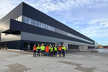
According to Chairman Hein Deprez, such logistical prowess is the company’s main growth driver: “Innovation in the logistical chain helped us grow from zero to number one in a market that isn’t growing. And now we’re looking at the next step, to nudge the entire market forward and increase consumption of fruit and vegetables.” With its new logistical heft, the Greenyard Foods product portfolio is greatly expanded. “We have built 31 distribution centres in Europe where an increasing range of products can be ripened, packaged and distributed on a JIT basis to retailers across the continent,” says Deprez. “The investment has been made, the footprint exists. Now we need to drive up demand because we have the technology and capability to produce far more on the existing infrastructure.”
Click here to read more www.gimv.com.