According to representatives of the melon sector, one of the factors for the decline in volume during the 2014-2015 harvest were the viruses affecting melons.
The first harvest of the 2015-2016 melon season began with the challenge of improving production and export figures.
The rains of recent days have improved expectations among producers of this fruit.
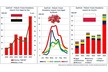
In the 2014-2015 season the export volume amounted to 251.1 million kilograms, 10% less than the 279.2 million kilos obtained in the previous harvest.
As a result, revenues declined by $8 million, going from $62.7 million to $ 54.7 million.
This decline was due to lower production resulting from the lack of rains that affected crops.
In the last harvest the production fell by 20%, equivalent to 200 boxes per acre, because of the viruses affecting melon crops.
Hope
After the rains in the south of the country in recent days melon producers became optimistic and increased their initial forecasts for this harvest.
According to an executive from Agrolibano, producers still need a little more rain; but they are also working in integrated pest and weed control so that the virus can't grow. He added that the drip irrigation system ensured they had better returns.
The melon sector ranks among the main Honduran agricultural productive forces, specifically in traditional products.
In recent years it has remained within the top Honduran fruit exports.
Source: laprensa.hn